



- Where Advanced Use Actually Begins
- What Advanced Users Usually Want
- Advanced Workflow Design
- Automation And Leverage
In this guide
Where Advanced Use Actually Begins :
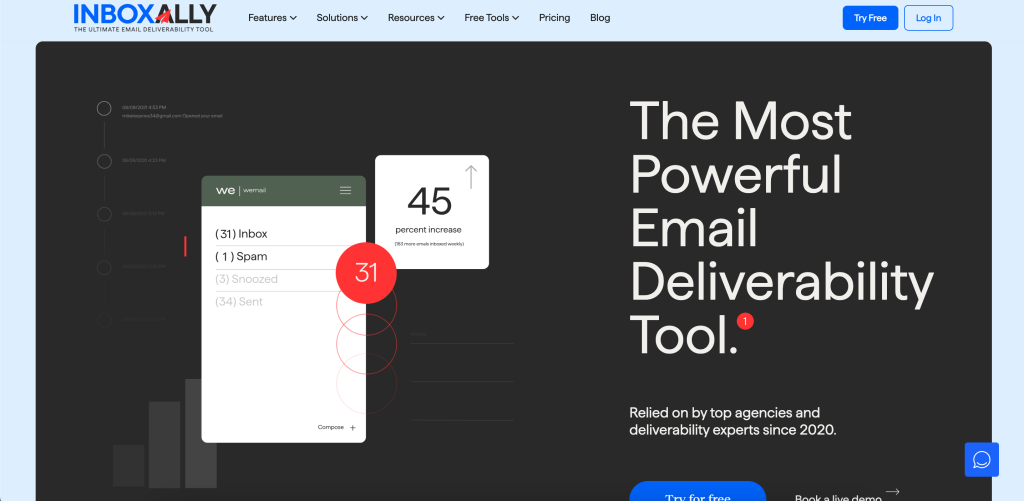
Advanced usage of InboxAlly in 2026 is not about turning on every option at once. It begins when the team has already proven the basics and now wants more control, more leverage, and more confidence from the workflows it depends on most. That is when the product starts being judged less by surface appeal and more by how well it supports repeatable systems.
Disclosure: Stack99 earns a commission if you buy through links on this page. It costs you nothing extra and never changes our assessment.
The advanced lens matters because mature teams need tighter execution, not extra noise.
If you want to inspect the product while you read, start with InboxAlly here.
What Advanced Users Usually Want :
Advanced users normally want three things. They want to remove more manual work, make outcomes easier to monitor, and create better guardrails around repeated workflows. Those needs push the conversation beyond setup and into system design. That is where real product depth shows up.
Advanced Workflow Design :
A product becomes genuinely useful at the advanced level when it can support more deliberate workflow design. That may mean better sequencing, clearer ownership, more dependable automation, or stronger visibility into where work stalls. The important part is not the complexity itself. It is whether complexity creates more control instead of more confusion.
Automation And Leverage :
Advanced value often comes from automation that removes repeated decision fatigue. If the product reduces handoff friction, cuts redundant steps, or makes key actions more dependable, then the advanced layer is doing real work instead of serving as decoration.
If you want to test that against your own environment, open InboxAlly here and compare the product against the workflow your team repeats most often and trusts the least.
Governance And Optimization :
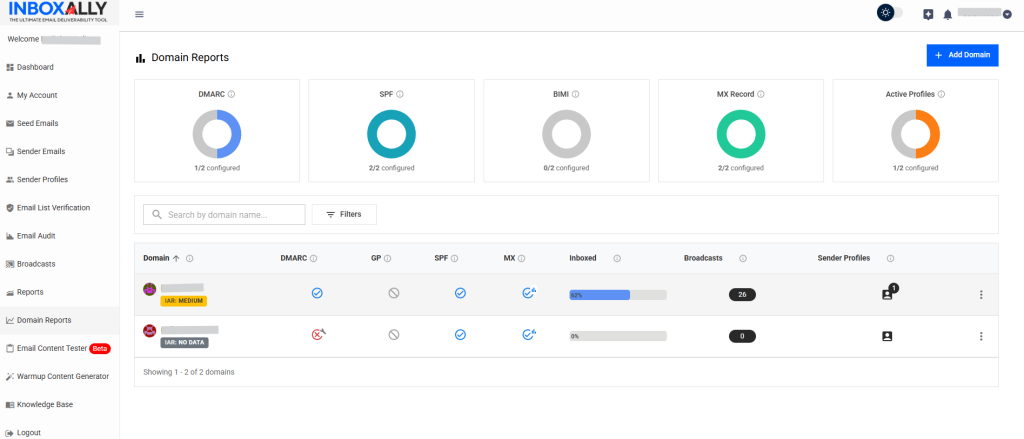
The governance side matters too. Mature teams need to know who owns the workflow, which exceptions matter, and where performance or reliability still weakens. Advanced product value usually grows when the team can tighten those areas without turning the system into a maintenance burden.
How To Grow Into Advanced Usage :
The smartest growth path is to expand only after the basics are stable. Build confidence with one dependable workflow, then extend the product into the next place where manual effort or workflow fragility is still costing the business time.
If you want another practical fit check, review InboxAlly here and compare the product’s deeper capabilities against the part of your process that still feels slow or fragile after the basics are already working.
Verdict :
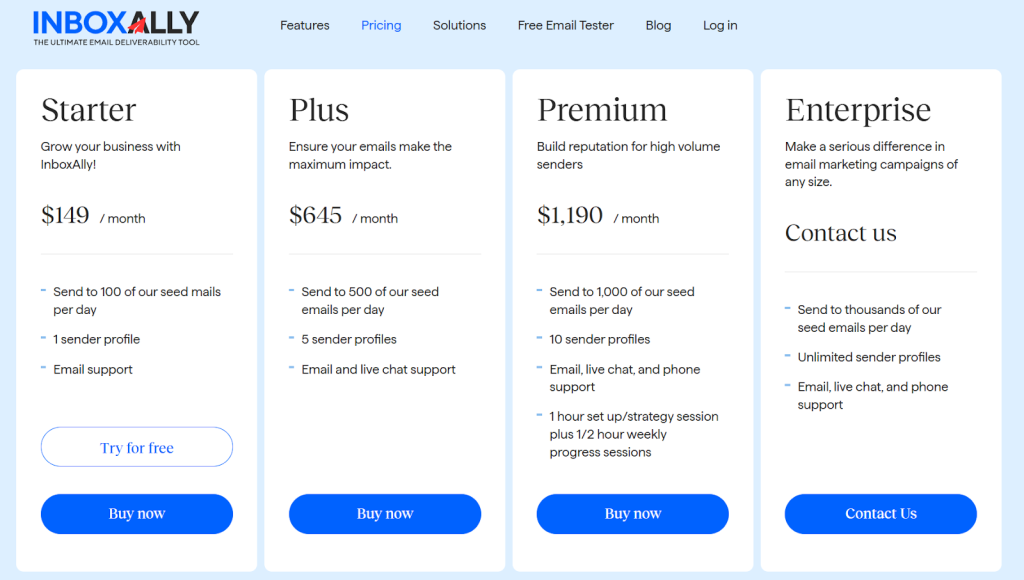
InboxAlly becomes more compelling in 2026 when a team is ready to move from first wins to durable systems. That is where advanced usage starts to matter and where product depth begins to justify itself.
If that sounds like your stage, try InboxAlly here and judge the product by whether it improves the workflow your team most needs to make more dependable.
FAQ :
What Counts As Advanced Usage?
Advanced usage starts when the team is designing repeatable systems instead of only learning the basic setup.
What Matters More Than More Features?
Control, repeatability, and dependable workflow outcomes matter more than simply having more visible options.
When Should A Team Move Into Advanced Usage?
Only after the core workflow is stable enough that deeper automation or governance will create real value instead of extra noise.
How Should I Evaluate Advanced Fit?
Look at the workflow that still feels fragile and judge whether the product can make that system calmer, clearer, and easier to trust.
More on InboxAlly
Hand-picked guides to help you choose the right tool — no fluff.
 IntegrationsInboxAlly Integrations Guide 2026What it connects to and how well each link holds up.
 TutorialsInboxAlly Beginner's Guide 2026A clean start-here walkthrough with no jargon.
 Advanced GuidesNexGen Virtual Office Advanced Guide 2026Deeper workflows once the basics are in place.
 Case StudiesMiro Case Study 2026What actually happened when teams rolled it out.