


Hubstaff is built for teams that need to see where working hours actually go — time tracked…
The clearest niche for Hubstaff in 2026 is a growing team that needs more structure, more consistency,…
Imagine a team that has already outgrown the improvised way it used to handle this category of work.
In this guide
Who This Post Is For :
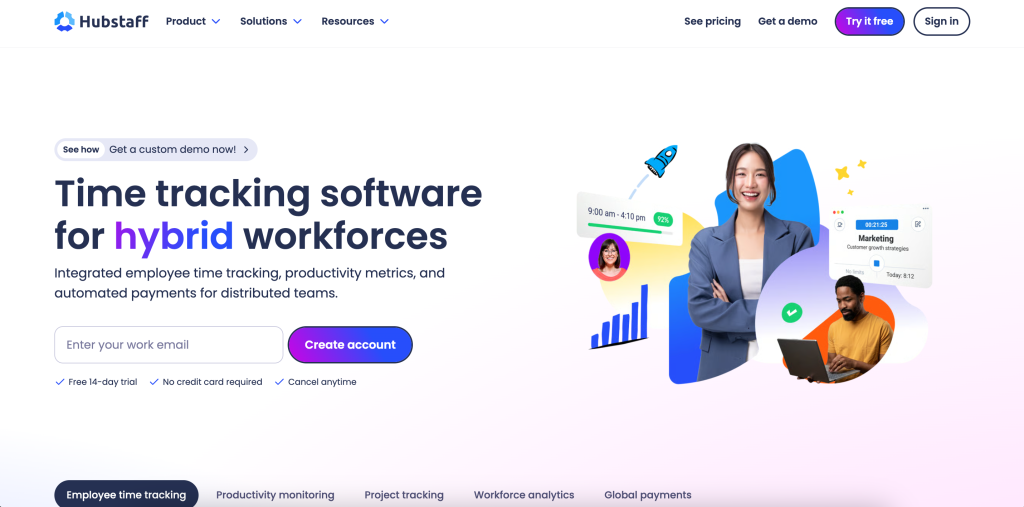
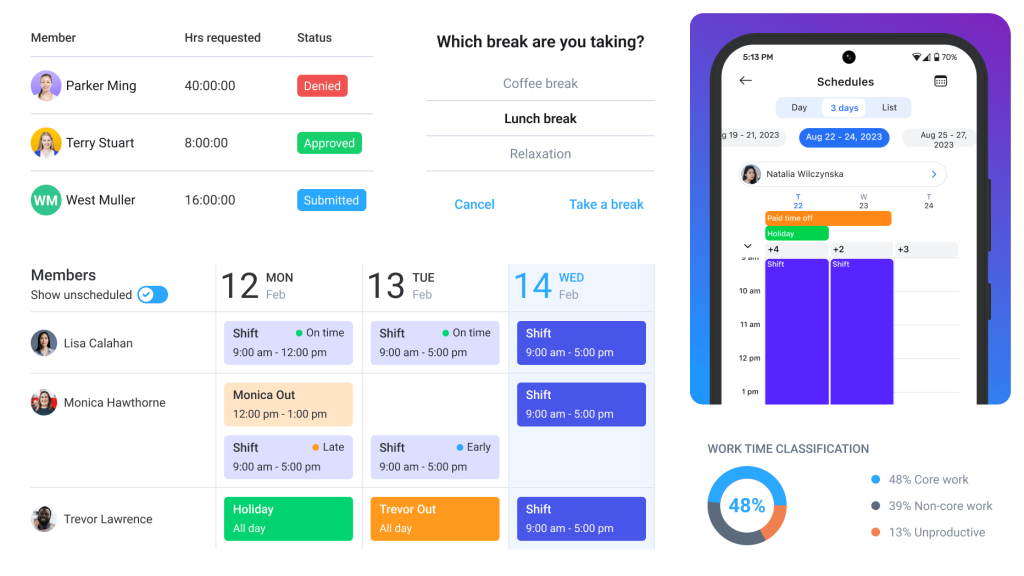
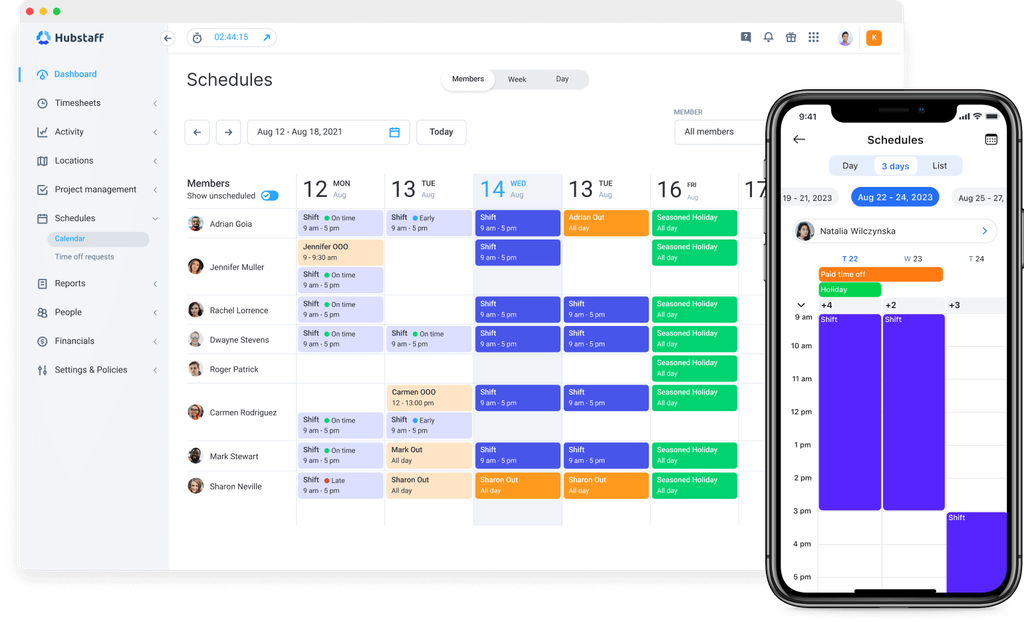
Hubstaff is built for teams that need to see where working hours actually go — time tracked against tasks and projects, activity levels, and, for field teams, GPS and geofenced job sites, all feeding into timesheets and payroll. That makes it a strong fit for remote and distributed teams, agencies that bill by the hour, and field-service or construction crews that need proof of on-site time. It is less suited to someone who just wants a lightweight timer without monitoring, since activity tracking is central to how Hubstaff works.
Disclosure: Stack99 earns a commission if you buy through links on this page. It costs you nothing extra and never changes our assessment.
This angle matters because the best software fit is rarely universal. Hubstaff usually makes the most sense for a particular kind of team, workload, or business stage rather than for every possible buyer.
If you want to inspect the product while you read, start with Hubstaff here.
Why Hubstaff Fits A Specific Niche :
The official pages keep surfacing ideas like:
- Team fit
- Workflow clarity
- Productivity
- Governance
That suggests Hubstaff is strongest for teams that care about operational fit more than feature sprawl. In other words, the product tends to work best when the buyer’s daily workflow already resembles the vendor’s public product story.
The Niche Where Hubstaff Looks Strongest :
The clearest niche for Hubstaff in 2026 is a growing team that needs more structure, more consistency, and less operational drag around the product’s core workflow.
That could mean:
- A startup moving beyond informal processes.
- A department scaling volume.
- A team standardizing work that used to be fragmented.
Top Features For This Niche :
The best features for this niche are the ones that make the workflow calmer, more repeatable, and easier to manage. That matters more than raw feature count because niche-fit tools win when they reduce friction that the team already feels every week.
If you want to see whether that fit is real, open Hubstaff here and compare the official workflow to one live task your team already runs.
If you want a second live product check, review Hubstaff here and map the official use case against the one recurring task your team most needs to improve.
Real-World Team Scenario :
Imagine a team that has already outgrown the improvised way it used to handle this category of work. That team does not need a vague platform promise. It needs a product that gives the work more structure without turning adoption into another project.
That is the situation where Hubstaff looks most compelling.
Pricing In Context :
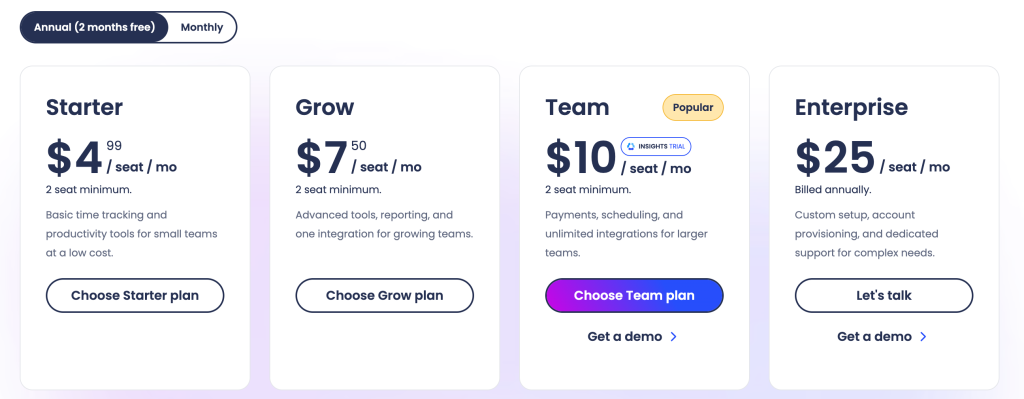
The official pages reviewed do not present a simple public pricing table, so the safer reading is to treat pricing as plan- or conversation-dependent.
The business case usually becomes clearer when pricing is evaluated against operational relief rather than against a bare plan label.
Alternatives For This Niche :
The most common alternatives are usually:
- Lighter tools that are easier to start but weaker on structure.
- Broader platforms that cover more but often feel heavier.
- Manual processes that look cheap but create ongoing drag.
Setup Advice For This Niche :
The safest rollout is to start with the team’s highest-friction workflow, keep the first deployment narrow, and let the product prove its value on one recurring use case before expanding.
Buyer Lens :
The most reliable way to evaluate Hubstaff in 2026 is to compare the official pages against one live workflow your team already runs. That usually reveals product fit faster than a broad feature spreadsheet.
Operational Note :
Hubstaff is easiest to judge when you look at the repeated work around it, not just the trial experience. If the product reduces recurring friction, the value tends to become much clearer over time. That is why the safest evaluation path is usually one repeated live task instead of a broad artificial test.
Final Buying Note :
In 2026, the smartest way to evaluate Hubstaff is still to use the official product pages, compare them against one real workflow, and decide whether the product reduces friction in a way your team will actually feel every week. That kind of grounded evaluation usually tells you more than another generic comparison spreadsheet.
Verdict :
Hubstaff looks strongest in 2026 when a growing team needs clearer workflow structure without unnecessary complexity. That is the niche where the official product positioning makes the most sense.
If that sounds like your team, try Hubstaff here and evaluate the fit through one real operational workflow.
FAQ :
What Kind Of Team Is Hubstaff Best For?
It is usually best for teams that need more structure and repeatability around the product’s core workflow.
Why Does Niche Fit Matter More Than Feature Count?
Because the right fit removes recurring friction faster than a broader but less aligned tool usually can.
Should I Judge Hubstaff As Universal Software?
No. It is better judged through the specific use case the official product pages emphasize most clearly.
What Is The Best Rollout Strategy?
Start with one high-friction workflow, keep the scope narrow, and expand only after the first use case proves useful.
When Should I Choose Something Else?
Choose something else when your team’s main need is broader, lighter, or meaningfully different from the product’s public operating model.
Before You Choose, Compare These
Hand-picked guides to help you choose the right tool — no fluff.
 FeaturesHubstaff Top Features 2026The standout features and whether they justify the price.
 ReviewsHubstaff Review 2026Hands-on verdict with the pros, cons and who it fits best.
 ReviewsAmplemarket Review 2026Hands-on verdict with the pros, cons and who it fits best.
 TutorialsNexGen Virtual Office Beginner's Guide 2026A clean start-here walkthrough with no jargon.