


In this guide
Flatpay is built around one simple promise: clear pricing, no surprise subscriptions, and a setup that keeps payment processing easy to understand. That makes this comparison less about chasing tiny fee differences and more about choosing the right payment model for the way your business actually operates. If you are trying to decide whether Flatpay is a better fit than a traditional processor, an online gateway, or a more complicated POS stack, the official Flatpay pricing page gives you the core story in plain language.
Disclosure: Stack99 earns a commission if you buy through links on this page. It costs you nothing extra and never changes our assessment.
The company’s public pages emphasize a flat rate per transaction, daily payouts, a customer portal, and no hidden fees. That is a strong positioning angle because payment software usually gets confusing fast. Flatpay tries to remove that confusion by packaging pricing, support, and hardware/service into a more predictable offer. For a lot of merchants, that predictability is the real competitive edge.

Why This Comparison Matters :
The question is not whether Flatpay is a payment company. It obviously is. The question is whether the type of business you run benefits more from Flatpay’s simpler structure than from a more modular, legacy, or self-assembled setup. If you are a merchant who wants one invoice, one support path, and one daily payout rhythm, Flatpay is built for that. If you want to stitch together hardware, software, gateway, and support from different vendors, you may prefer a different model.
Flatpay’s public pricing page makes that decision easier by showing exactly what the company wants to be known for: a flat rate per transaction, 24/7 support, daily payouts, and a customer portal for visibility. Those are the kind of details that matter when you are comparing it with alternatives, because they tell you what kind of tradeoff you are really making.
Quick Comparison Table :
Flatpay’s Own Offerings Are Already The Main Comparison :
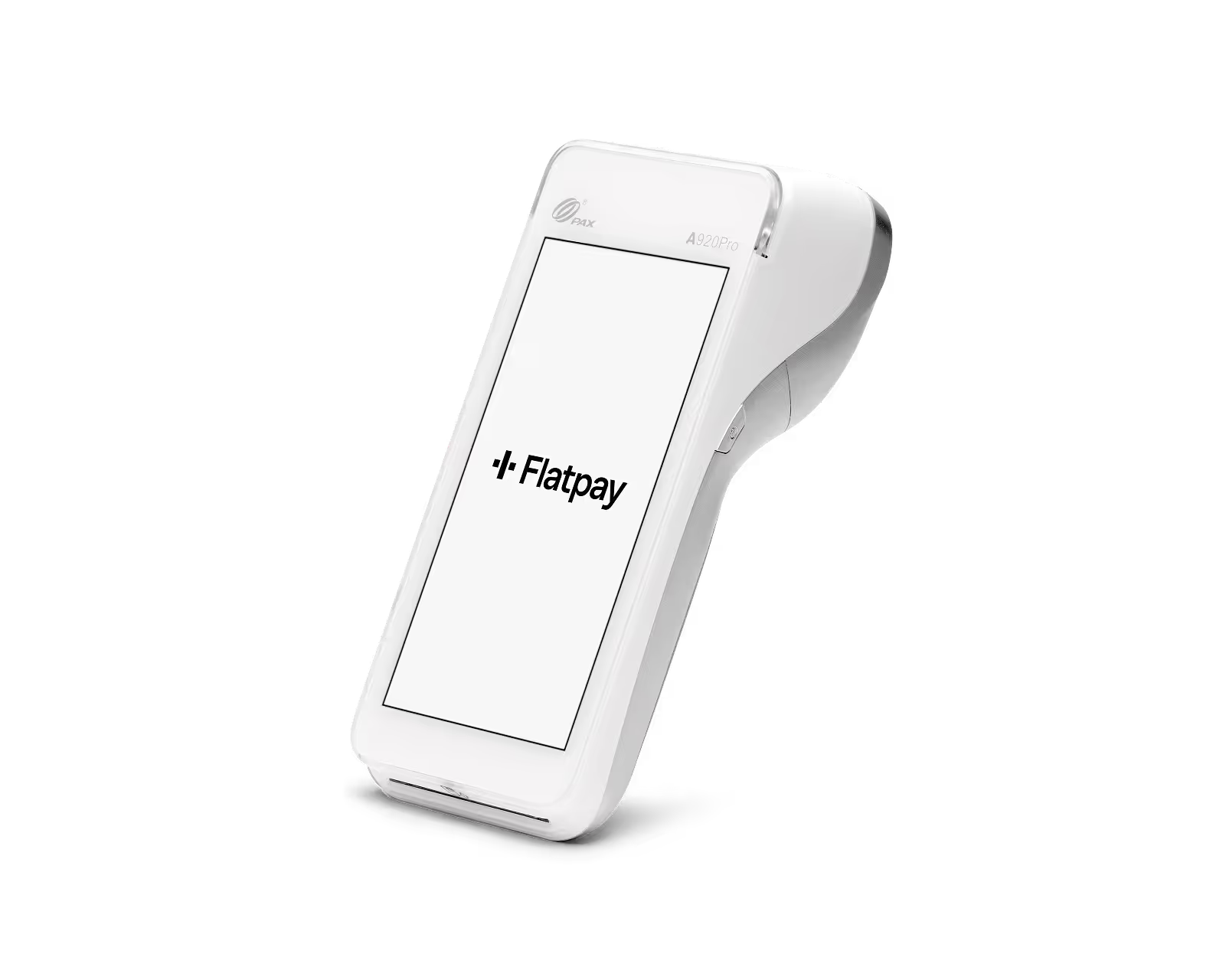
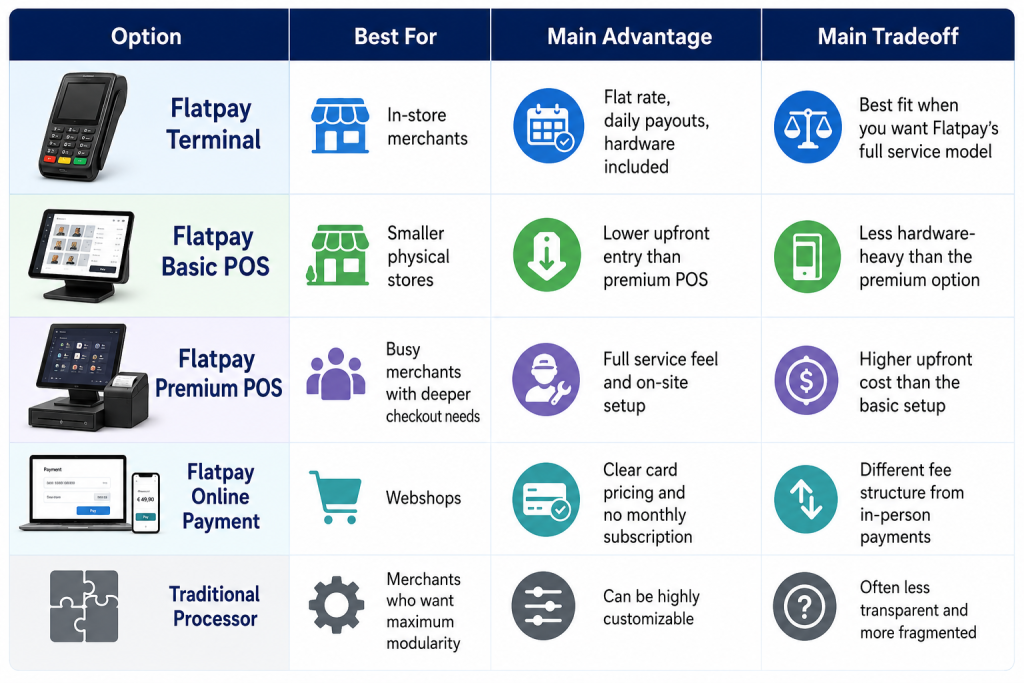
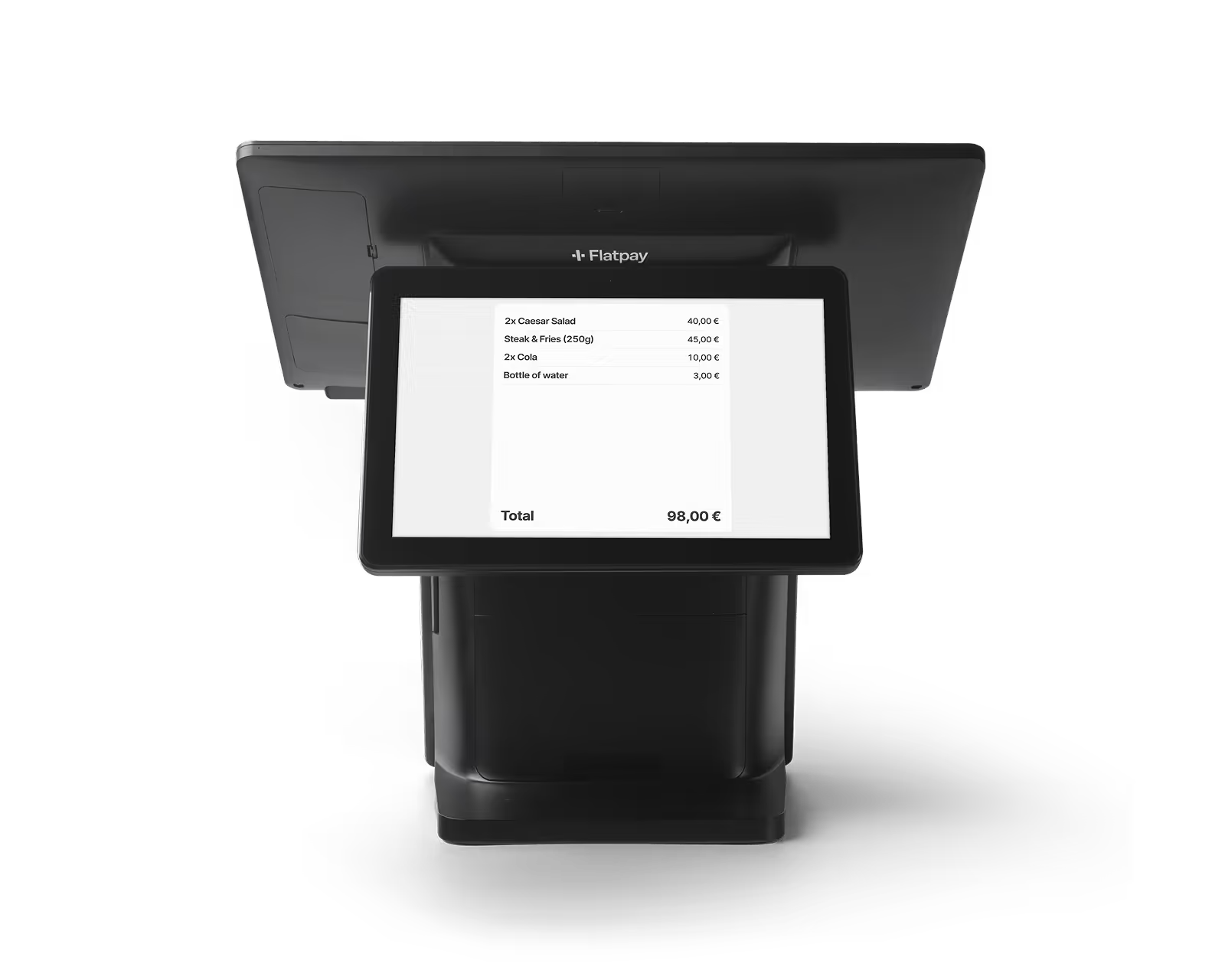
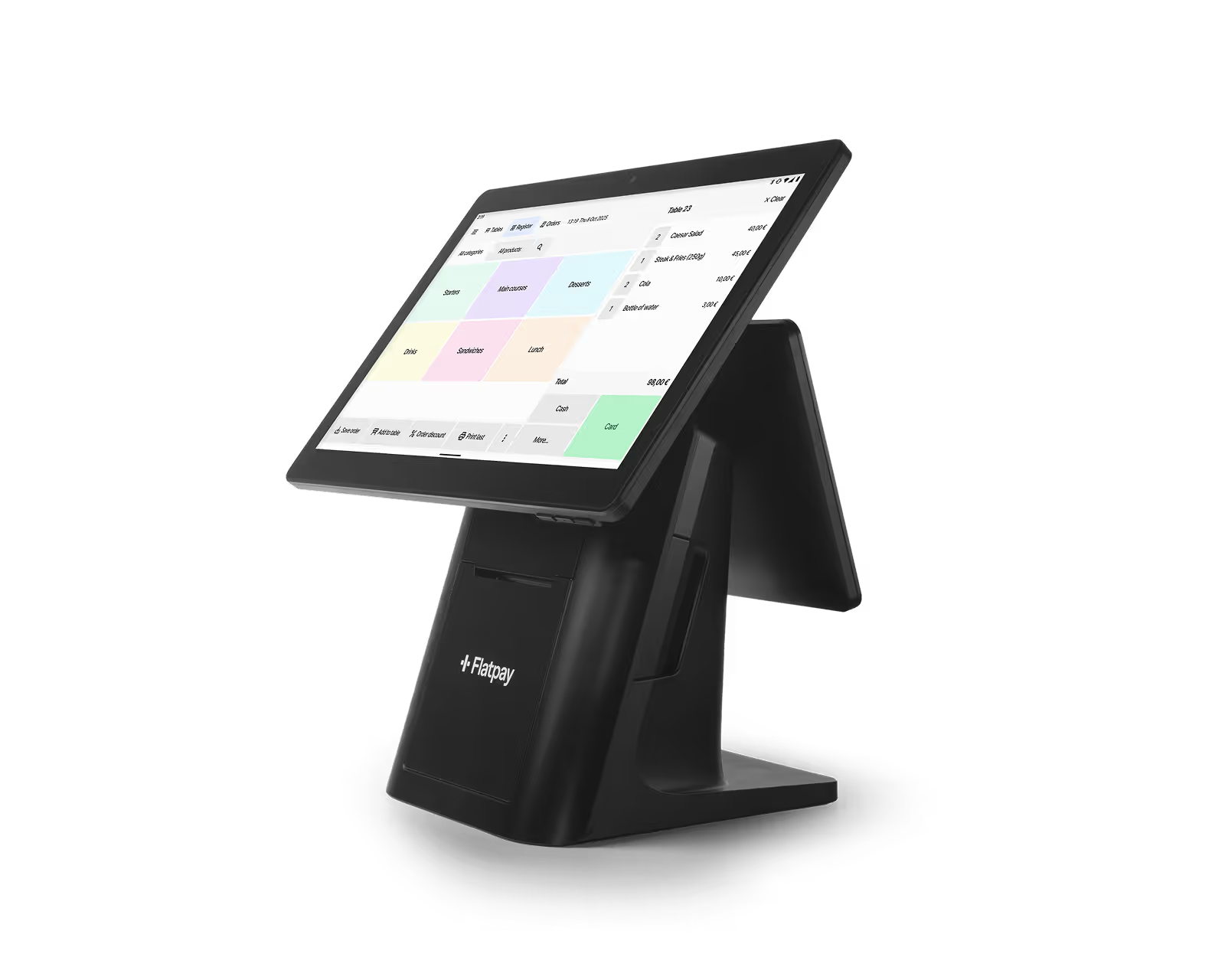
One thing I like about Flatpay is that its own lineup already forces the useful comparison. On the official site you can see the terminal, POS, and online payment paths side by side. The terminal page says the company offers 0.99% per transaction for businesses below 200,000 EUR in annual card turnover, with no setup fee and no subscription. The POS page repeats the same flat-rate logic and adds service, software, hardware, and daily payouts into the package.
That means the real choice is not just Flatpay versus another company. It is Flatpay Terminal versus Flatpay POS versus Flatpay Online Payment. If you operate a physical shop, the terminal and POS products are the obvious paths. If you sell through a webshop, the online payment offering is the one that makes the most sense. The benefit of this structure is that you do not have to guess which product was meant for you. The official pages are fairly direct about the use case.
The online payment page is especially helpful because it spells out the rate model for Danish and EU cards, international cards, corporate cards, MobilePay fees, monthly subscription, fixed transaction fee, and 3D Secure. That level of clarity makes Flatpay more comparable than a lot of payment providers that hide the useful details behind a contact form.
How Flatpay Stacks Up Against Alternative Models :
If you compare Flatpay with a legacy processor, the first difference is transparency. Flatpay’s pricing is front and center. If you compare it with a self-built stack, the second difference is service. Flatpay includes support, setup, and reporting in the story instead of making you assemble the operational pieces yourself. If you compare it with a lightweight startup tool, the third difference is hardware and on-site installation. Flatpay wants to own the full merchant experience.
That can be excellent for merchants who want calm operations and a simple contract. It can be less attractive for merchants who want to cherry-pick every single component. The company also highlights a merchant portal, daily payouts, and on-site installation, which makes it feel closer to an operational partner than a pure software login. That distinction matters more than people realize when a store starts growing.
Pricing Comparison In Context :
The official pages give you enough to compare without guessing. For many merchants below the stated turnover threshold, Flatpay’s in-person products center around 0.99% per transaction, and the company repeatedly emphasizes no hidden fees and no subscription. The online payment page shows different rates for different card types and a separate MobilePay cost structure, which is what you would expect from a platform that serves both physical and online commerce.
Compared with alternatives, that can be a very clean setup. You pay a known rate, you know what service is included, and you can see what hardware is part of the package. Compared with a more fragmented alternative, that is less stressful. Compared with a hyper-custom payment stack, it is less flexible. The right answer depends on whether your priority is simplicity or customization.
Use Case Recommendations :
Flatpay is a strong fit if you want a merchant relationship that feels straightforward. If you run a cafe, retail store, clinic, or service business and you want the payment side of the business to be predictable, Flatpay makes a lot of sense. The daily payouts and merchant portal are especially appealing when cash flow visibility matters.
If you are a web-first merchant, the online payment product is the better comparison point. The rate structure and card-type detail matter more there. If you are a business that wants to fine-tune every component separately, a more modular alternative may still be attractive. But if you value clarity and support, Flatpay is built to win that argument.
Pros And Cons :
The Upside –
- Clear flat-rate positioning.
- Daily payouts are easy to understand and easy to value.
- Support, setup, and hardware are part of the product story.
- The merchant portal gives you useful visibility.
- The product line covers terminal, POS, and online payment use cases.
The Tradeoffs –
- The model is less modular than a pick-and-mix processor stack.
- Pricing is simple, but still tied to business type and turnover thresholds.
- The best fit is merchants who like a managed solution, not buyers who want every part of the stack separated.
- You still need to compare the in-person and online products carefully because the rate structure differs.
Final Buying Lens :
The cleanest way to decide is to map your channel, volume, and patience level. If you want a managed merchant relationship, the Flatpay model is attractive because the pricing, support, and hardware story are all visible up front. If you are comfortable stitching together a stack of separate services, then you may still prefer a more modular alternative. Either way, the comparison is easier when you start with the official Flatpay pricing details instead of relying on a generic processor comparison chart.
For many merchants, the real win is not shaving a tiny amount off a fee. It is getting rid of uncertainty. Flatpay tries to do that with daily payouts, a customer portal, and a clear product lineup that does not make you decode a bunch of fine print. That alone can be worth a lot when payments are a daily operational task rather than a one-time purchase.
The other subtle advantage is decision speed. If your team wants to compare a terminal, a POS setup, and an online payment product without reading five separate pricing pages, Flatpay makes that easier. That does not mean it is automatically cheaper for every business. It means the decision process is clearer, and for a lot of merchants that clarity is the real value. If you are already leaning toward a simpler merchant stack, it is worth revisiting the official Flatpay offer with that lens.
And if you are still comparing models, remember that the best processor is not always the one with the lowest headline fee. It is the one that leaves your team with fewer surprises, fewer support calls, and fewer Friday-night problems.
One more practical angle is onboarding. A setup that includes on-site installation and a merchant portal can save a new store from a lot of first-week confusion. That matters more than it sounds like it should, because payment friction is one of those operational costs that hides in plain sight. If the system is simple enough that your staff can use it without a long training session, that simplicity becomes part of the economic value. In that sense, Flatpay is not only a pricing comparison. It is a workflow comparison.
Verdict :
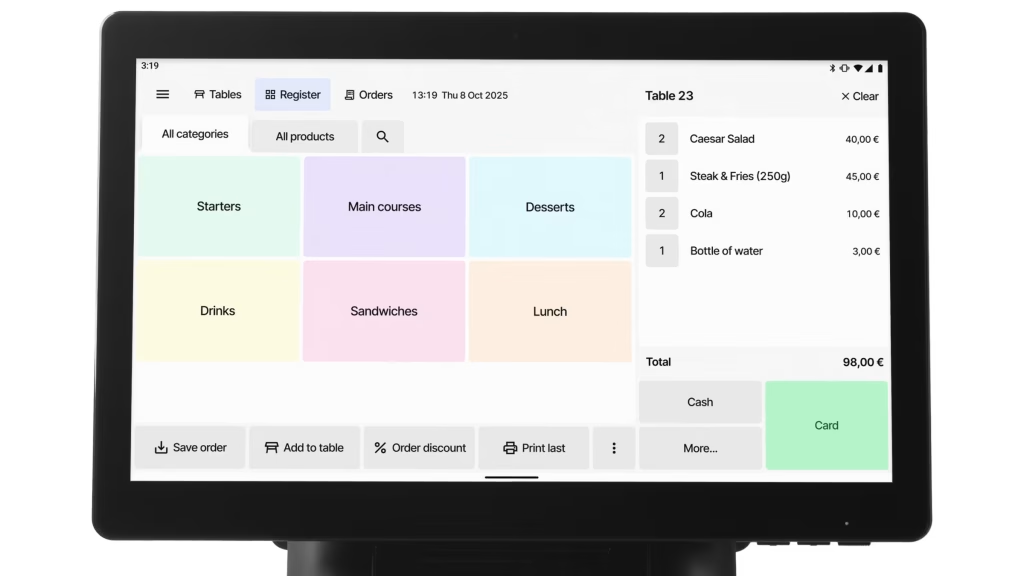
Flatpay wins when merchants care about clarity more than complexity. The official pages are consistent: flat rate, support, daily payouts, and a clean product lineup for in-person and online payments. If your alternative is a system that creates confusion or surprise fees, Flatpay looks like a very practical choice.
If you want a payment setup that is easier to manage and easier to explain to your team, the official Flatpay offer is worth a close look. If you need maximum customization, keep comparing. But if you want a simpler merchant stack, Flatpay is making a strong case.
FAQ :
Is Flatpay only for physical stores?
No. Flatpay has terminal, POS, and online payment offerings, so it works for both physical and digital commerce.
Does Flatpay mention hidden fees?
No hidden fees is one of the company’s central messages on the pricing page.
Does Flatpay offer daily payouts?
Yes. That is one of the services repeatedly highlighted in the official pricing and POS pages.
Is there a subscription fee?
The official pages emphasize no subscription for the listed in-person offers and a zero monthly subscription on the online payment page.
What is the main reason to choose Flatpay over alternatives?
Simplicity. If you want a clearer payment setup with support and visible pricing, Flatpay makes the comparison easy.
Before You Choose, Compare These
Hand-picked guides to help you choose the right tool — no fluff.
 Use CasesWho Is Flatpay Best For? Use Cases & Fit (2026)Who gets the most out of it – and who should skip it.
 PricingFlatpay Pricing 2026Real tier prices and what each plan actually includes.
 Use CasesNetlify for Startups 2026A practical look at where it fits your stack.
 Case StudiesMiro Case Study 2026What actually happened when teams rolled it out.