


Why This Comparison Matters :
Jungle Scout and Helium 10 sit in the same serious Amazon seller conversation, but they do not feel identical once you look closely at the official product and pricing pages. Both platforms promise product research, listing help, analytics, and seller growth support. The real question is which one fits your stage, workflow, and budget better.
That is why this comparison matters.
Amazon sellers usually are not choosing between two random tools. They are choosing between two operating systems for:
- Product research.
- Keyword intelligence.
- Listing optimization.
- Profit and performance tracking.
- Growth decisions across multiple seller tasks.
If you want to explore Jungle Scout while you read, start with Jungle Scout here.
Quick Comparison Table :
Here is the practical short version:
- Jungle Scout: strong for structured Amazon seller intelligence, product research, and a more guided all-in-one feel.
- Helium 10: strong for broad seller tooling depth, keyword and listing features, and a wider platform sprawl for advanced sellers.
- Jungle Scout pricing: officially structured around Cobalt and Catalyst categories on the public pricing page.
- Helium 10 pricing: publicly listed tiers such as Starter, Platinum, Diamond, and Enterprise.
- Best for newer or mid-stage sellers: often Jungle Scout.
- Best for sellers who want very broad tooling depth: often Helium 10.
That is the headline. The deeper answer depends on how you actually sell.
Jungle Scout Deep Dive :
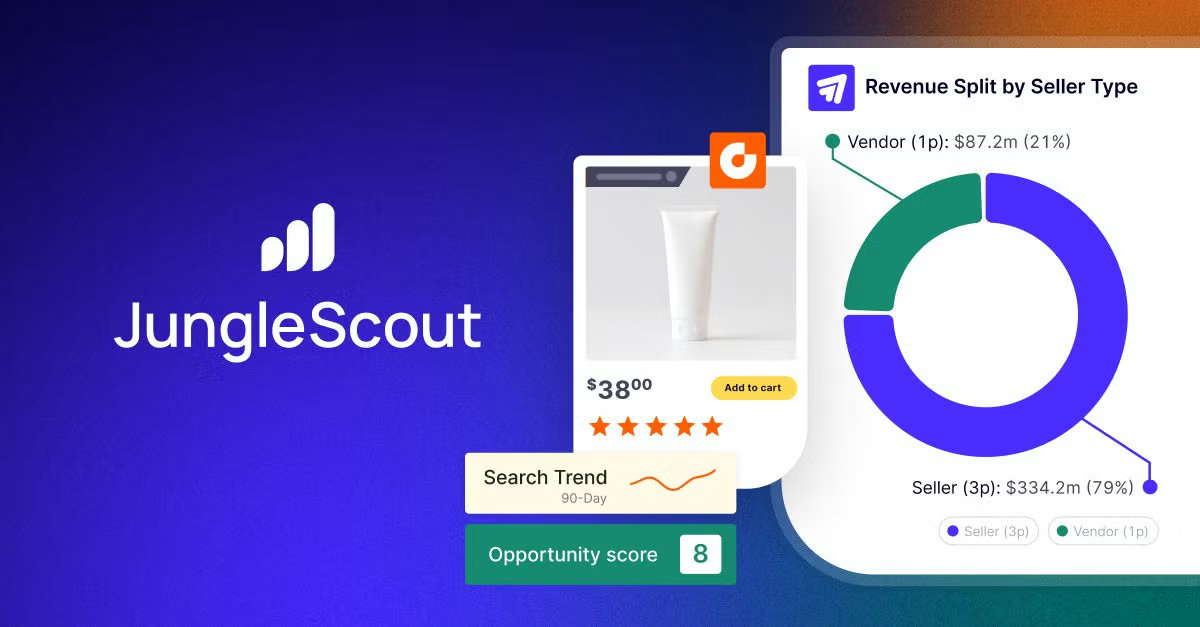
Jungle Scout’s official site positions the platform as an all-in-one Amazon intelligence engine. The product pages lean into research, market analysis, opportunity discovery, sales trends, AI-assisted listing work, and the broader seller decision-making stack.
The pricing page also highlights the split between:
- Cobalt for sellers.
- Catalyst for brands and agencies.
That is useful because it tells you Jungle Scout is thinking beyond one generic seller persona.
Its strengths look like this:
- Strong product-research identity.
- Clear Amazon-first positioning.
- Structured seller intelligence story.
- Better guided feel for users who want one main system.
- Public pricing categories that reflect different business types.
For a lot of sellers, Jungle Scout feels like a well-organized home base rather than a giant shelf of tools to sort through manually.
Helium 10 Deep Dive :
Helium 10’s official pricing page makes the platform feel broader and more segmented. Public plan names currently include:
- Starter.
- Platinum.
- Diamond.
- Enterprise.
The official pricing page also highlights larger bundles of seller tooling across research, optimization, operations, and scaling support.
That gives Helium 10 a strong appeal for users who want depth and optionality. It can feel more expansive than Jungle Scout, which is great if you want a lot of knobs to turn.
Its strengths look like this:
- Broader tool-sprawl appeal.
- Strong keyword and listing reputation.
- Clear tier ladder on the pricing page.
- Good fit for sellers who want a bigger-feature operating environment.
The tradeoff is that more power can also mean more complexity.
If you want to compare Jungle Scout against that broader tool philosophy directly, start with Jungle Scout here and map your current seller workflow before assuming bigger automatically means better.

Feature Matrix :
Both tools play in similar territory, but the emphasis feels a bit different.
Jungle Scout
- Amazon seller intelligence engine positioning.
- Product and market research focus.
- Brand and agency pathways through Catalyst.
- Guided seller workflow feel.
- Strong official emphasis on structured research and growth support.
Helium 10
- Broader suite feel across multiple seller jobs.
- Larger public plan ladder.
- Deeper “all the tools” appeal for advanced sellers.
- Strong fit for users who want lots of specialized capability under one roof.
That means the feature question is not only “which platform has more?” It is “which platform creates less friction for the way you already work?”
That is an important distinction because Amazon sellers often lose time not from lacking features, but from spending too much time bouncing between tools, tabs, and overlapping data views that never become one clear operating rhythm.
Jungle Scout’s official positioning feels more opinionated around that rhythm. Helium 10’s official presentation feels broader and more toolkit-like. Both approaches can work, but they suit different personalities.
Pricing Comparison :
The pricing side is where the official pages become especially helpful.
Helium 10’s pricing page currently shows:
- Starter at $29 per month.
- Platinum at $79 per month.
- Diamond at $229 per month.
- Enterprise with custom pricing.
Jungle Scout’s public pricing page is more category-driven around Cobalt and Catalyst rather than pushing one tiny visible price table in the same way. That does not make it less serious. It just makes the pricing story feel more solution-oriented.
For buyers, the practical takeaway is:
- Helium 10 makes tier-by-tier plan comparison easier at a glance.
- Jungle Scout makes business-type fit easier to understand from the page structure.
That difference matters. Some sellers want a clean plan ladder. Others want a product path that already reflects their stage.
It also changes how easy the buying decision feels. A seller with a fixed budget may find Helium 10’s visible monthly tiers easier to compare immediately, while a brand or agency may appreciate Jungle Scout’s category-led framing more.

Use Case Recommendations :
Choose Jungle Scout If –
- You want a more guided Amazon seller intelligence platform.
- Product research and structured decision support are your main priorities.
- You prefer a cleaner all-in-one home base rather than a sprawling tool shelf.
- You are a seller, brand, or agency that fits the Cobalt/Catalyst split well.
Choose Helium 10 If –
- You want a broader visible plan ladder.
- You prefer a larger suite feel with more specialized seller tools.
- You are comfortable learning a denser platform.
- You want the official price ladder to be more explicit upfront.
That is why the decision is less about “which one wins the internet argument” and more about workflow preference.
There is also a team-shape difference here. Solo or smaller sellers often appreciate tools that feel clearer and more guided, while advanced operators may tolerate more complexity in exchange for broader toolkit depth.
If you want to compare that honestly, start with Jungle Scout here and line it up against the exact tools you already rely on.

Day-To-Day Workflow Difference :
This is the part buyers often underestimate.
Even when two Amazon seller tools have overlapping capability, the better one is usually the one that matches your daily operating style:
- Do you want a more guided intelligence platform that feels like one central home base?
- Do you want a wider menu of seller tools even if the experience feels denser?
- Do you care more about research clarity or toolkit breadth?
- Do you want the public pricing ladder to be immediately visible?
Those questions matter because subscription value is rarely created by raw feature count alone. It is created by whether the team actually uses the platform consistently.
That is why this comparison matters even for experienced sellers. A slightly better daily workflow can be worth more than a slightly longer feature checklist.
It also affects training time. A tool that feels clearer on day three is often more valuable than a tool that promises everything on day one but takes weeks to use confidently. That is a real cost for small seller teams.
It is also a morale issue. Teams usually stick with the research platform that feels easier to trust when deadlines, inventory pressure, and product decisions start piling up.
That sounds soft, but it changes real behavior. When a platform feels easier to navigate, sellers check it more often, compare opportunities faster, and make fewer “we will look later” decisions that never actually happen.
When To Stick With Jungle Scout :
Jungle Scout looks strongest when you want:
- Strong Amazon-first product intelligence.
- A platform that feels organized rather than sprawling.
- Clear business-type positioning through Cobalt and Catalyst.
- A research-centered decision workflow.
It is also a smart fit for sellers who do not want to spend the first week feeling like they need to learn an entire software universe before they can make one solid product decision.
If that sounds closer to your working style, start with Jungle Scout here and judge it against one real product-research or listing optimization workflow.
That kind of fit tends to matter more over a full year than one flashy feature difference on a pricing page.
It also tends to matter more when more than one person touches the account. The clearer the platform feels, the easier it is for founders, researchers, and operators to stay aligned around the same workflow.
Verdict :
Jungle Scout vs Helium 10 in 2026 is really a choice between structured Amazon intelligence and broader seller-suite depth. Jungle Scout looks strongest for sellers who want a more guided, research-centered all-in-one platform. Helium 10 looks strongest for sellers who want a wider tool stack and a very explicit public tier ladder.
Neither choice is automatically right for every seller.
The better fit depends on whether you want:
- A more focused, organized intelligence platform.
- Or a broader multi-tool environment with more visible tier segmentation.
If you think the first path sounds closer to your workflow, start with Jungle Scout here and compare it against what you actually need every week as an Amazon seller.
The honest answer is that both can be strong. The smarter decision comes from choosing the one that feels easier to live inside every day.
That is usually the comparison point that ends up mattering most once the subscription renews.
And it is also the point that usually determines whether the team keeps one core platform or starts quietly scattering its workflow across other tools again.
If you are still undecided, run both products against one live sourcing decision, one keyword-research task, and one listing-improvement workflow. The tool that feels clearer under real pressure is usually the better long-term buy.
FAQ :
Is Jungle Scout better than Helium 10?
It depends on your workflow. Jungle Scout looks stronger for sellers who want a more guided Amazon intelligence platform, while Helium 10 looks stronger for users who want broader visible tool depth.
How much does Helium 10 cost?
The official pricing page shows Starter at $29 per month, Platinum at $79, Diamond at $229, and Enterprise with custom pricing.
Does Jungle Scout have public pricing?
Yes, but its official pricing page is structured around Cobalt and Catalyst categories rather than a simple flat plan table alone.
Which tool is better for newer Amazon sellers?
Many newer or mid-stage sellers may find Jungle Scout easier to adopt because of its more guided intelligence-first positioning.