


In this guide
Pricing Overview
People is a different kind of pricing story from the usual SaaS page that throws a plan grid at you and hopes you scroll long enough to click buy.
Disclosure: Stack99 earns a commission if you buy through links on this page. It costs you nothing extra and never changes our assessment.
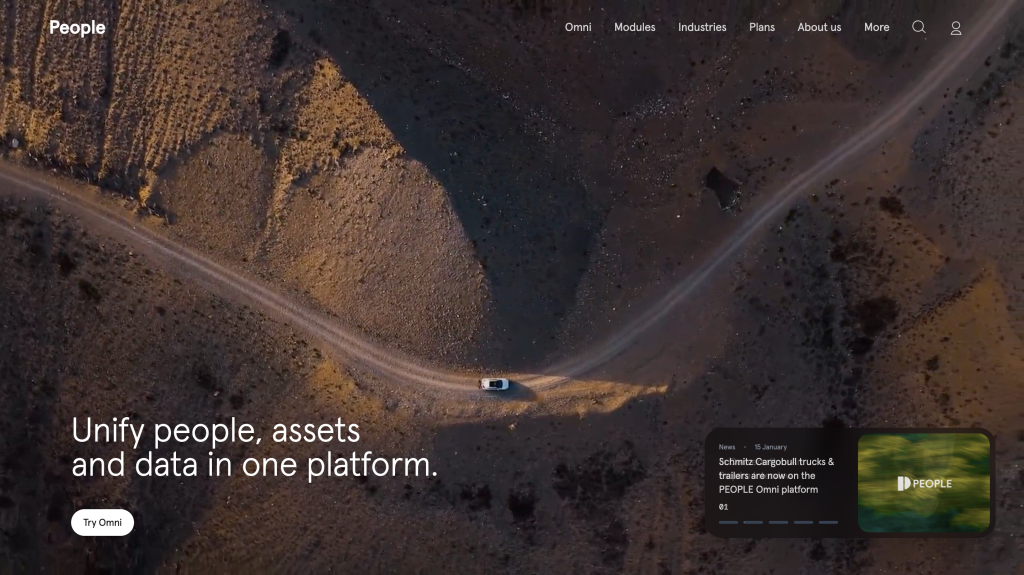
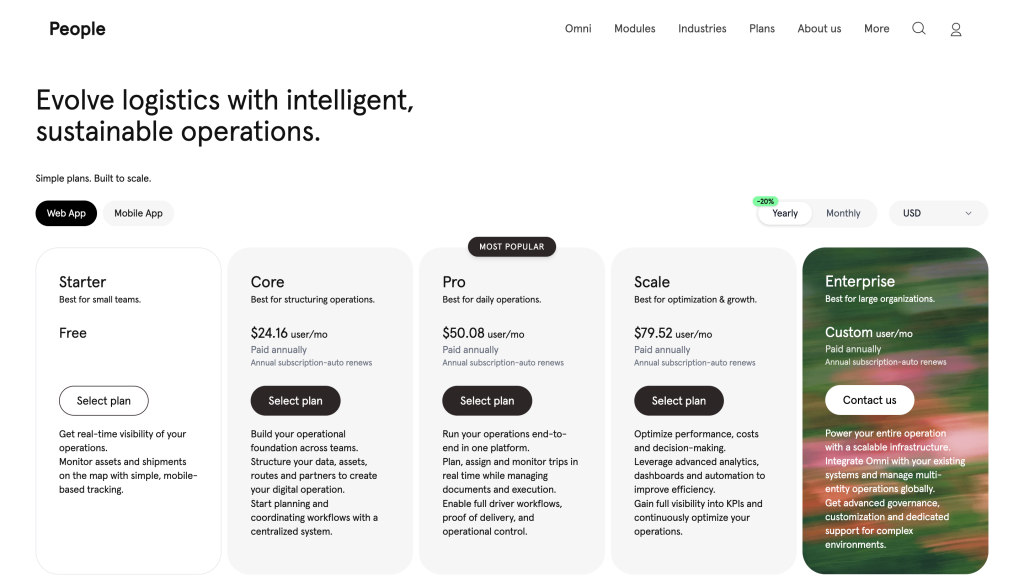
The official site is very minimal. I could verify the site title, the People logo, the main public home page, and the company’s official LinkedIn presence, but I could not verify a public self-serve pricing table on the homepage itself. That matters.
In practice, that usually means one of two things:
- The product is sales-led and wants a conversation before it shows a quote.
- The company prefers custom packaging over a public tier grid.
If you want to evaluate the product in that kind of buying model, start with People here.
That does not make the product good or bad. It just changes the way you should buy it. Instead of asking “What is the cheapest plan?”, the better question becomes “What am I actually getting, and how much friction does the onboarding add?”
Pricing Tiers
I do not want to guess at plans that the official site is not showing publicly.
So the most honest read is this: People do not currently present an easy public tier sheet in the materials I could verify, which means pricing should be treated as something you confirm directly with the team.
That may sound less satisfying than a neat table, but it is actually useful. If a product is not broadcasting a price grid, you want to ask about:
- Seats and user limits.
- Implementation or setup fees.
- Training and onboarding costs.
- Annual versus monthly terms.
- Support levels.
- Any add-ons that are sold separately.
If the company is offering a custom quote, these are the questions that keep the conversation grounded.
If you want to push the discussion forward without wasting time, start with People here and ask for the full commercial breakdown up front.
Hidden Costs And Gotchas
This is where opaque pricing can get expensive in a quiet way.
The first gotcha is assuming a sales-led product is just a different wrapper around a simple monthly fee. Sometimes that is true. Sometimes it is not. If the seller bundles onboarding, support, or service hours into the quote, the number can change fast.
The second gotcha is migration. If your current workflow already lives in another system, ask who handles the move and what that work costs.
The third gotcha is scope creep. If the team only asked for one core module but the quote starts drifting into extra services, that can turn a simple purchase into a bigger commitment than expected.
The safest move is boring but effective:
- Ask for the base price.
- Ask for every add-on.
- Ask for the contract term.
- Ask what happens after the first year.
- Ask whether support or implementation is included.
That is not being difficult. That is buying responsibly.
If you want to compare the quote against a real use case, build the conversation around an exact scope, not vague promises.
ROI Example
When pricing is not public, ROI matters even more.
The real question is not whether the monthly number looks nice in isolation. The real question is whether the product removes enough manual work to justify the quote.
Here is the simple way to think about it:
- If your team spends time chasing updates across email and chat, a clearer system can reduce coordination costs.
- If managers keep asking for the same information in different places, a more centralized workflow can save time.
- If new team members need repeated explanations, a better system can reduce training friction.
That is the only ROI story that matters at the start. No fancy formulas needed.
If the People team can show you that the product shortens admin work, simplifies rollout, or cuts repeat questions, then the quote starts to make sense. If it cannot, keep digging.
Cost Comparison
The easiest comparison is not against another exact product. It is against the cost of doing the same work manually.
Manual pricing looks cheap until you count the hidden cost:
- Time lost in handoffs.
- Time lost in follow-up.
- Time lost in rework.
- Time is lost in onboarding new people into the process.
That is why sales-led software can still be a good buy even when the quote is not public. What matters is whether the system replaces enough manual coordination to justify the purchase.
The other comparison is against a public self-serve tool. Those tools are easier to buy, but they may not offer the same level of setup, support, or tailoring. People may be aiming for a different buyer altogether.
That does not mean you should pay more without proof. It just means the value test is different.
If you are already in a demo conversation, start with People here and compare the quote against the hours your team currently wastes on coordination.
Best Value Tier
Because I could not verify public tier names or prices on the official site, the best value tier is the one that matches your actual operational scope.
That is not a dodge. It is the right way to buy a product when the public pricing is not visible.
The practical version of “best value” looks like this:
- Small team: Ask for the lightest workable package.
- Growing team: Ask how pricing changes as seats increase.
- Multi-team setup: Ask how the quote changes with complexity.
- Enterprise setup: Ask what is included in rollout, support, and governance.
The goal is to avoid overbuying features you will not use.
The best value is rarely the biggest package. It is the package that solves the actual problem with the least extra weight.
Discounts And Annual Billing
When a site does not show public pricing, discounts, and billing terms become part of the discovery call.
Ask whether:
- Annual billing is required or optional.
- There is a discount for an annual commitment.
- There is a setup fee or implementation fee.
- There are price breaks for more seats.
- There are renewal changes after the first year.
These questions matter because the first quote is not always the final cost.
This is the point where buyers can get rushed. Don’t.
Take the quote, compare the annual total, and make sure the team knows exactly what is included before anyone signs.
If you want to keep the buying process grounded, start with People here and ask for the renewal math as clearly as the launch price.
What A Good Quote Should Include
A good quote should answer the questions your team will ask later anyway.
At minimum, ask for the user count, the modules included, the rollout support, and the exact first-year total. If implementation is part of the deal, make sure that the number is spelled out separately so you can see what software is and what is a service.
You should also ask whether pricing changes with seat growth, whether training is part of the package, and whether support is included after launch or billed separately. Those details matter because a clean-looking quote can still hide real work behind the scenes.
The goal is not to make the sales team prove themselves. The goal is to stop your own team from discovering surprise costs after the purchase.
If People is the right product, the quote will make the value clearer. If it is the wrong product, the quote will usually make that obvious too.
The biggest mistake at this stage is trying to force the decision before the pricing conversation is complete. If the team is serious about the product, let the commercial details do the talking. When a tool fits, the numbers tend to feel explainable. When it does not, the pricing usually feels like a puzzle you should not have to solve.
That is really the point of this draft. Public pricing is only useful when it gives you a fair comparison. If it does not, the next step is not guessing. It is asking better questions and making the vendor earn the conversation.
Verdict
People pricing in 2026 is best understood as a visibility problem, not just a cost problem.
The official public site is too minimal to treat this like a standard transparent SaaS pricing page, so the smart move is to use the lack of public pricing as a cue to ask sharper questions.
If the team can show you a clear scope, a fair quote, and a believable ROI story, the product may still be worth it. If the quote feels vague or padded, keep looking.
That is the real verdict.
For a product like this, start with People here only after you have the full commercial picture, not before.
FAQ
Does People show public pricing on the official homepage?
Not in the materials I could verify. The official site appears to be much more minimal than a typical public pricing page.
Should I assume it is expensive because pricing is not public?
No. You should not guess. You should ask for a quote and compare the total package against the work it removes.
What should I ask on the sales call?
Ask about seats, implementation fees, support, onboarding, annual terms, and renewal pricing.
What is the safest buying approach?
Treat the first quote as a starting point and confirm every cost before you commit.
More on People
Hand-picked guides to help you choose the right tool — no fluff.
 AlternativesPeople Alternatives 2026Credible alternatives and when each one wins.
 IntegrationsPeople Integrations Guide 2026What it connects to and how well each link holds up.
 FeaturesTenable Nessus Features 2026The standout features and whether they justify the price.
 TutorialsPipedrive Beginner's Guide 2026A clean start-here walkthrough with no jargon.