


Who This Post Is Really For :
Superfiliate is not built for every brand that wants to hand out a referral link and call it a day. The official site is much more specific than that. It positions the platform around influencers, affiliates, ambassadors, Meta Partnership Ads, TikTok Shop, automations, reporting, creator communications, gifting, and co-branded landing pages.
That makes the best niche very clear in 2026:
Superfiliate is best for Shopify-native DTC brands that are actively scaling creator-led growth across multiple channels.
That usually means a brand that is already doing at least some of the following:
- Running affiliate or ambassador programs.
- Sending product to creators.
- Coordinating creator outreach.
- Managing paid amplification through creator content.
- Trying to track revenue and performance across more than one creator channel.
If you want to inspect the source product while you read, start with Superfiliate here.
Why Superfiliate Fits This Niche So Well :
The niche fit works because Superfiliate does not behave like a single-purpose affiliate tool.
The official homepage and product pages describe a platform that tries to unify:
- Influencer programs.
- Affiliate tracking.
- Ambassador workflows.
- Meta Partnership Ads.
- TikTok Shop activity.
- Creator communications.
- Payout management.
That stack is a strong fit for DTC ecommerce brands because those brands rarely run just one neat creator program anymore. Real brands are usually juggling seeding, links, discount codes, paid creator amplification, reporting, and relationship management at the same time.
That is exactly where Superfiliate starts to make sense.
Top Feature For This Niche #1: Shopify-Native Creator Workflow
One of the clearest official angles is Superfiliate’s Shopify-native positioning.
That matters because the best niche here is not “all marketers everywhere.” It is brands that sell products directly and need creator programs tied closely to the storefront, catalog, conversion flow, and revenue reporting.
For that niche, Shopify-native matters because:
- Product seeding is easier to coordinate.
- Creator landing pages feel closer to the actual purchase path.
- Attribution stays more connected to commerce outcomes.
- Teams can manage creator campaigns without splitting everything across unrelated systems.
That is a much stronger fit for DTC brands than for businesses that do not live in a product-led ecommerce stack.
Top Feature For This Niche #2: Co-branded Landing Pages And Creator Dashboards
This is one of Superfiliate’s most distinctive official features.
The site repeatedly talks about co-branded landing pages and creator-facing experiences. That matters because creator programs work better when partners feel like they are entering something built for them, not a generic affiliate portal with a logo dropped on top.
For the right niche, this improves more than aesthetics:
- Creator onboarding feels cleaner.
- Conversion paths can feel more tailored.
- The relationship looks more intentional.
- Brands can differentiate themselves from plain link-based programs.
That is especially useful for DTC brands that care about creator experience as part of brand presentation, not just as a back-office workflow.
If that sounds like your situation, open Superfiliate here and compare the co-branded flow against the generic partner portals you have seen elsewhere.
Top Feature For This Niche #3: Paid Amplification And Multi-Channel Reach
A lot of tools can help track affiliates. Fewer tools are built around the reality that creator content often lives across organic and paid channels at the same time.
Superfiliate’s official positioning includes:
- Meta Partnership Ads.
- TikTok Shop.
- Social listening.
- Reporting and analytics.
That is a strong signal that the platform is aimed at brands treating creator marketing as a revenue channel, not only a community experiment.
For the ideal niche, this matters because the team is not just asking:
“Did the creator post?”
The team is asking:
“What happened to conversion, CAC, revenue per creator, and paid amplification performance after the content went live?”
That is a more serious operating question, and Superfiliate is much better aligned to it than a basic referral tool.
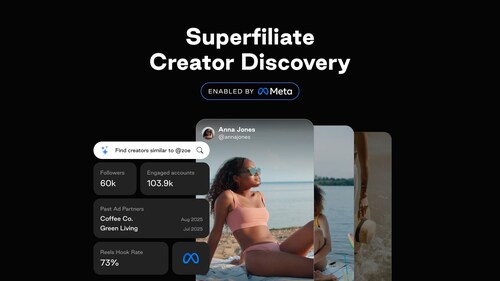
Real-World Example For This Niche :
Imagine a mid-market DTC beauty brand using Shopify.
The brand has:
- A small but growing affiliate program.
- Creator seeding every month.
- Paid creator whitelisting on Meta.
- A TikTok Shop push.
- A marketing team that is tired of juggling spreadsheets, email threads, payout notes, and disconnected dashboards.
That is a textbook Superfiliate niche fit.
The team does not need just one more link tracker. It needs one operating layer for creator relationships, landing pages, outreach, gifting, analytics, and paid amplification.
That is why the product makes more sense for scaling DTC brands than for tiny side-hustle affiliate programs.
Pricing In Context For This Niche :
Superfiliate does not publish a simple self-serve monthly pricing table on the official pages I reviewed. The most reliable official signal is that pricing is custom and scoped to program shape.
The comparison material also points to pricing depending on things like:
- Number of brands managed.
- Active creator volume.
- Channels being activated.
That means the honest pricing answer is:
This is a sales-led platform, not a casual impulse-buy SaaS checkout.
For the right niche, that is not a problem. A DTC brand with a serious creator program usually cares more about:
- Revenue visibility.
- Workflow consolidation.
- Creator performance.
- Operational time saved.
than about chasing the lowest headline software number.
If you want to evaluate the fit in a practical way, book a Superfiliate conversation here and map it against your real creator workflow instead of a fake spreadsheet scenario.

Alternative Tools For This Niche :
The main alternatives for this niche usually fall into three groups:
- Basic affiliate tools.
- Enterprise influencer platforms.
- Manual creator-program operations are split across several apps.
Basic affiliate tools can be fine if the brand only needs code tracking and simple payouts.
Enterprise influencer platforms can be a fit if the brand wants a much larger agency-style or marketplace-heavy motion.
Manual stacks still exist everywhere, but they break down quickly once the creator program grows.
That is why Superfiliate’s sweet spot is so specific. It is not for the smallest possible use case and not necessarily for the most bloated enterprise setup either. It is best for modern DTC brands that already know creator-led growth is important and now need a real operating system around it.
Setup Steps For This Niche :
If I were rolling out Superfiliate for the ideal buyer, I would keep the implementation sequence practical:
- Start with the core Shopify-linked creator workflow.
- Build the creator landing-page experience next.
- Standardize outreach and communications inside the platform.
- Add gifting and payout workflows.
- Layer in paid amplification and deeper performance reporting.
That order matters because the niche buyer usually does not need every advanced motion turned on in week one. It needs one clean operating system that can grow with the program.
Where The Niche Fit Gets Weaker :
Superfiliate gets weaker when the brand is too early or too narrow.
If a team only has a few partners, barely uses creators, and mainly wants simple affiliate tracking, a lighter tool may be the better first step. The same is true when the brand does not operate in a Shopify-centered DTC environment or does not care about creator experience, amplification, and multi-channel reporting.
But once creator-led growth becomes real work, the fit gets much stronger very quickly.
That is the dividing line.
The more creator ops starts to look like an actual revenue channel instead of a side project, the more this niche fit sharpens.
That is where Superfiliate becomes easier to justify.
Verdict :
Superfiliate is best for Shopify-native DTC brands running serious creator-led growth programs across affiliate, influencer, ambassador, Meta, and TikTok Shop workflows.
That niche is where its official strengths make the most sense:
- Co-branded creator experiences.
- Unified creator operations.
- Multi-channel reporting.
- Paid amplification support.
- A commerce-connected workflow.
If your team is already feeling the weight of creator-program operations, start with Superfiliate here and compare the platform against the manual stack you are carrying today.
FAQ :
What Niche Is Superfiliate Best For In 2026?
It is best for Shopify-native DTC brands that are actively scaling creator-led growth across influencer, affiliate, ambassador, Meta, and TikTok Shop channels.
Is Superfiliate Good For Small Brands?
It can be, but it is strongest once the brand has a real creator workflow to manage. Very early-stage teams may be better served by a lighter tool first.
Does Superfiliate Have Public Pricing?
Not in a simple self-serve format on the official pages I reviewed. The buying path appears to be custom and sales-led.
Why Is It So Strong For DTC Brands?
Because the platform is positioned around Shopify-native workflows, creator landing pages, commerce-connected analytics, and multi-channel creator operations.
When Should A Brand Upgrade To A Tool Like Superfiliate?
Usually, when creator-led growth has outgrown spreadsheets, disconnected tools, and simple link tracking, the team needs a more complete operating system.