

Company And Challenge :
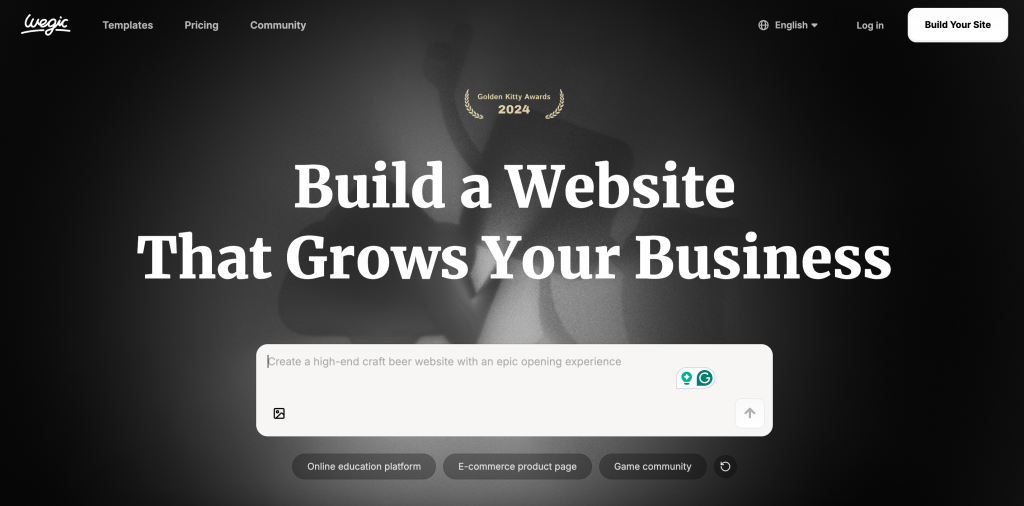
Wegic deserves a closer look in 2026 because buyers are not only choosing features. They are choosing the operating style that sits behind the tool. Wegic is best understood through its official product pages and the way those pages describe the core workflow in 2026.
To keep this accurate, the most useful case-study approach is to model the kind of business problem the official product pages clearly support rather than invent a named customer story that the source pages do not publish.
That usually means a team facing too much manual work, fragmented execution, or repeated operational drag around the exact workflow Wegic is built to support.
If you want to inspect the product while you read, start with Wegic here.
What The Team Was Dealing With Before :
Before adopting a tool like Wegic, the typical pain is not abstract. It is usually some combination of:
- Too much repeated manual work.
- Poor workflow visibility.
- Slow execution across tools.
- Too much dependence on ad hoc fixes.
That is where the product category starts to matter.
Why Wegic Fits the Situation :
The official pages suggest the product is strongest around:
- Implementation fit
- Workflow improvement
- Reporting
- Operational control
That makes it a better fit when the team needs a calmer operating model, not just another dashboard.
Implementation Process :
The most realistic implementation path is usually:
- Start with the highest-friction recurring workflow.
- Use the product to standardize that process.
- Expand only after the first workflow proves useful.
That is the right way to judge real product value instead of forcing a huge rollout on day one.
If you want to compare that against your own environment, open Wegic here and map the official workflow to the process that currently costs your team the most time.
If you want one more case-fit check, review Wegic here and compare the product against the most repeated operational bottleneck your team still handles manually.
Results This Team Would Care About :
The most relevant outcomes are usually:
- Less repeated manual effort.
- Better consistency.
- Faster completion of recurring work.
- Higher confidence in the operating process.
That is a more honest result model than inventing flashy numbers without official sourcing.
Lessons Learned :
The biggest lesson is that workflow fit matters more than software theater. A tool like Wegic is valuable when it makes serious recurring work calmer, faster, or more structured.
ROI Lens :
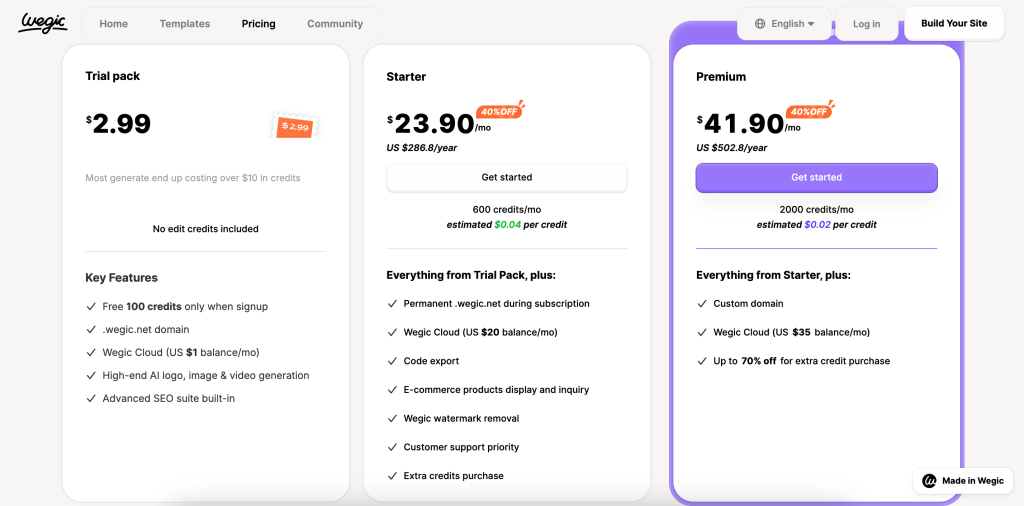
The best ROI lens is not only subscription price. It is the cost of the operational drag the team is carrying now. If the product cuts enough repeated effort, the value becomes much easier to defend.
How To Replicate This Outcome :
Start with one repeated business workflow, keep the rollout focused, and measure whether the product reduces time, confusion, or handoff friction in a way the team can actually feel.
Buyer Lens :
The most reliable way to evaluate Wegic in 2026 is to compare the official product story against one live workflow your team already runs. That usually reveals product fit faster than a broad feature spreadsheet, especially for a case study draft where the buyer needs more than a shallow summary.
Operational Note :
Wegic is easiest to judge when you look at the repeated work around it, not just the trial experience. If the product reduces recurring friction, the value tends to become much clearer over time. That is why the safest evaluation path is usually one repeated live task instead of a broad artificial test.
Final Buying Note :
In 2026, the smartest way to evaluate Wegic is still to use the official product pages, compare them against one real workflow, and decide whether the product reduces friction in a way your team will actually feel every week. That kind of grounded evaluation usually tells you more than another generic comparison spreadsheet.
Verdict :
Wegic makes the most sense in 2026 when the team’s real challenge is recurring operational drag and the official product workflow lines up clearly with that challenge.
If that sounds familiar, try Wegic here and evaluate it against one live process that already costs your team too much time.
FAQ :
Does This Case Study Use A Named Published Customer?
Not unless the official pages clearly provide one. This version stays grounded in the use case the product publicly emphasizes.
What Is The Main Value Of Wegic In A Case Study Lens?
Its value comes from reducing repeated workflow friction rather than from looking impressive on a features slide.
What Result Should Buyers Look For First?
Look for calmer execution, less manual work, and more repeatable output on a recurring process.
How Should I Measure ROI?
Measure the cost of the operational drag you are replacing, not just the subscription fee.
What Is The Safest Rollout Strategy?
Start narrow with one high-friction workflow and expand only after it proves useful.