

Pricing Overview
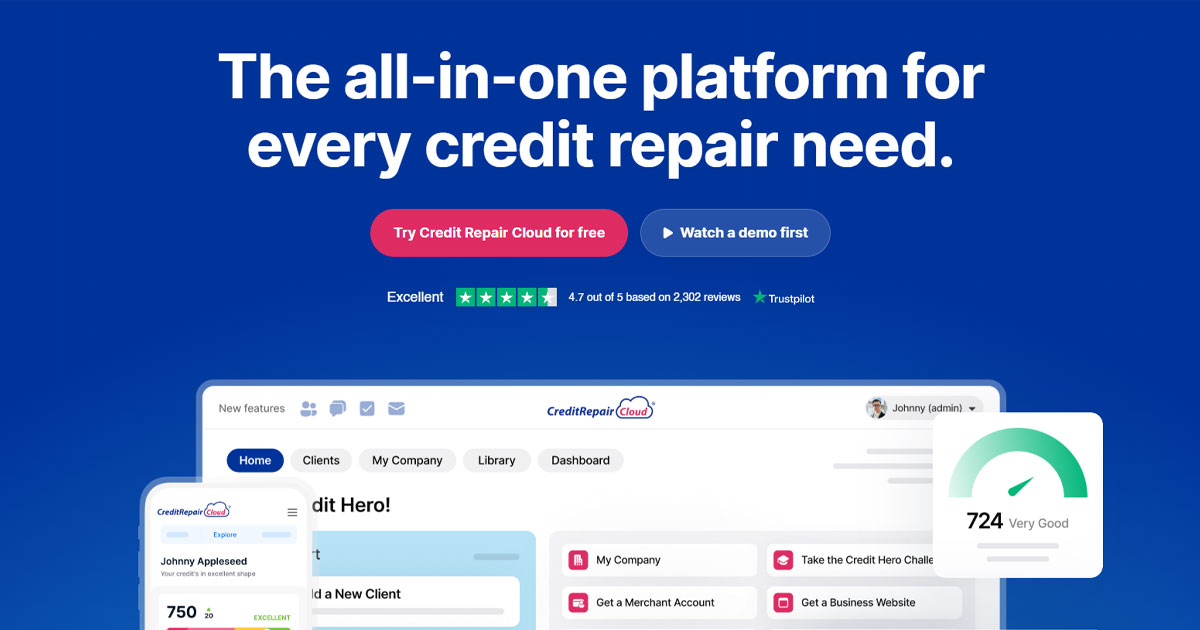
Credit Repair Cloud deserves a closer look in 2026 because buyers are not only choosing features. They are choosing the operating style that sits behind the tool. Free Webclass Reveals the “Secrets To Easily Starting Your Own Profitable Credit Repair Business WITHOUT having any prior experience with credit repair. Starts Today! Join Now! The official site repeatedly points to This Is For Entrepreneurs, Small Business Owners, & Those Just Getting Started..., WithOUT having any prior experience with credit repair!", Working.... The page titles also reinforce the product’s main positioning instead of burying it behind vague marketing language.
The most important thing to understand about Credit Repair Cloud pricing in 2026 is that the product value is tied to how the workflow is consumed, not only to a flat subscription label.
If you want to inspect the official pricing path while you read, start with Credit Repair Cloud here.
What The Official Pages Emphasize
The official product and pricing pages repeatedly point toward:
- This Is For Entrepreneurs, Small Business Owners, & Those Just Getting Started…
- Without having any prior experience with credit repair!
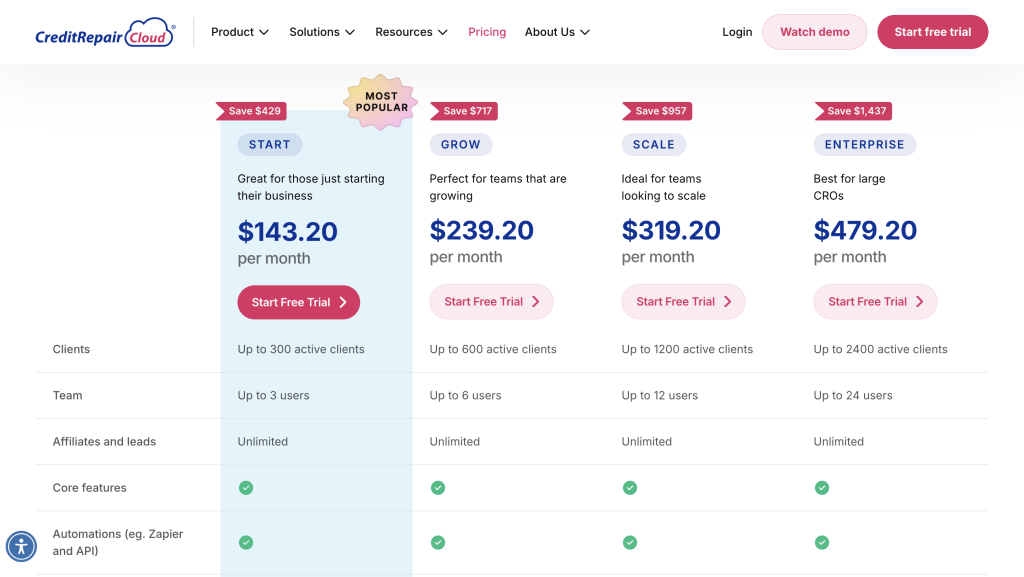
The official pages reviewed do not present a simple public pricing table, so the safer reading is to treat pricing as plan- or conversation-dependent.
Pricing Tiers And Cost Shape
Rather than guessing missing details, the safest read is to separate Credit Repair Cloud pricing into what is clearly visible and what depends on plan choice, usage, or a sales conversation. That is a more honest way to evaluate the tool than pretending every product fits a neat monthly SaaS box.
If you want to inspect the source pricing flow yourself, check Credit Repair Cloud here and compare the visible pricing logic against how your team would actually use the product.
Hidden Costs And Gotchas
The real hidden cost is usually not the visible plan number. It is mismatched usage. If a team buys Credit Repair Cloud before the workflow is ready, the tool can feel more expensive than it should. If the team buys too late, the manual work around the tool can cost more than the subscription.
ROI Example
A realistic ROI question for Credit Repair Cloud is whether the product reduces enough manual friction, delay, or tool sprawl to justify the official cost path. That could mean faster execution, fewer side tools, cleaner operations, or less time spent coordinating work outside the product.
Cost Comparison
Broader alternatives may look cheaper at a glance, but that often happens because they push more operating effort back onto the team. Credit Repair Cloud becomes easier to justify when it removes enough friction that the working cost of “cheaper” tools starts to look less attractive.
If you want to test that in in a practical way, open Credit Repair Cloud here and compare the official pricing path against the workflow cost you already incur today.
[IMAGE: Credit Repair Cloud plan or usage model section]
Best Value Path
The best value path is usually the one that matches your real workload, team size, or operating pattern, rather than the one with the flashiest feature headline. Buyers often get more value from the right entry point than from a bigger plan they barely use.
Discounts Or Billing Notes
If the official pages clearly show discounts, annual billing, usage-based logic, or sales-led pricing, those signals should shape the buying decision. If they do not, the safer move is to treat the official pricing journey as conversation-dependent rather than assume details that are not published.
FAQ
Is Credit Repair Cloud Expensive In 2026?
That depends on the workflow. The better question is whether the official pricing path replaces enough manual cost or tool sprawl to justify itself.
Does Credit Repair Cloud Have Public Pricing?
Only the pricing details visible on the official pages should be treated as reliable. Anything else should be validated before a buying decision.
What Matters More Than The Headline Price?
Operational fit usually matters more than the smallest number because tool mismatch can create hidden process cost fast.
How Should I Compare Credit Repair Cloud To Alternatives?
Compare the official pricing path against the real workflow cost your team already pays in time, complexity, and extra tools.
What Is The Best First Step?
Use the official pricing page and one real use case, not a generic spreadsheet, to decide whether the product value is strong enough.
Verdict
Credit Repair Cloud pricing in 2026 makes the most sense when you judge it against workflow cost rather than against a shallow list of plan names. If the product removes enough friction, the pricing story usually becomes easier to justify.
If you want to evaluate that directly, try Credit Repair Cloud here and map the official pricing path against one real team workflow before you decide.
Final Buying Note
In 2026, the smartest way to evaluate Credit Repair Cloud is still to use the official product pages, compare them against one real workflow, and decide whether the product reduces friction in a way your team will actually feel every week. That kind of grounded evaluation tends to beat generic feature shopping.