

Why Integrations Matter
AliDrop only makes sense if it actually reduces the manual work of running a dropshipping store. That is why the integration angle is the right one for this product.
On the official site, AliDrop keeps coming back to the same promise:
1) Automate Product Imports
2) Automate Order Fulfillment,
3) Sync Inventory and
4) Make Shopify Plus AliExpress dropshipping easier to manage.
That matters because a lot of dropshipping tools sell convenience, then quietly hand you a pile of manual work anyway.
If the integration layer is weak, the whole workflow gets annoying and increases manual labour.
From the official site, AliDrop is positioned around:
- AliExpress dropshipping
- Alibaba dropshipping
- Temu dropshipping
- US and EU supplier access
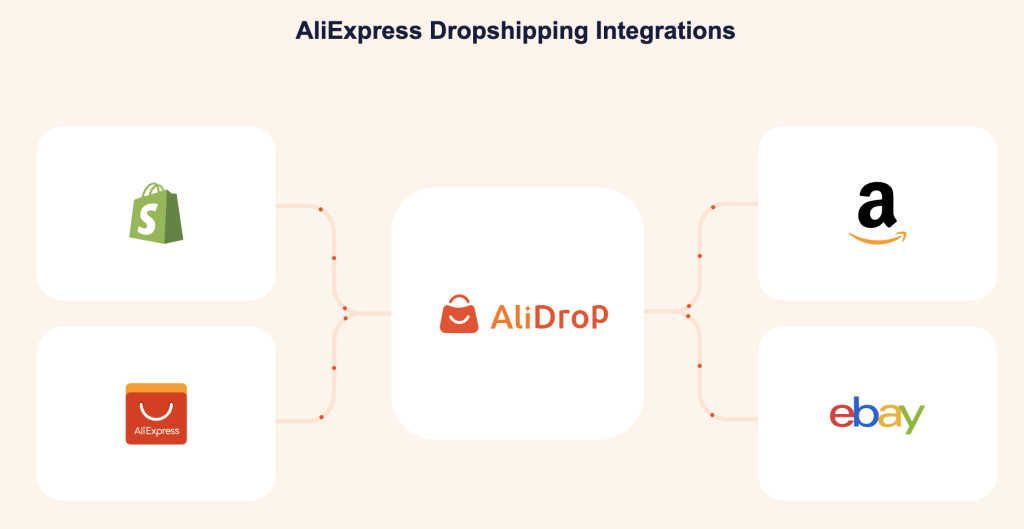
- Shopify integration
- Product Import Automation
- Order Automation
- Inventory Syncing
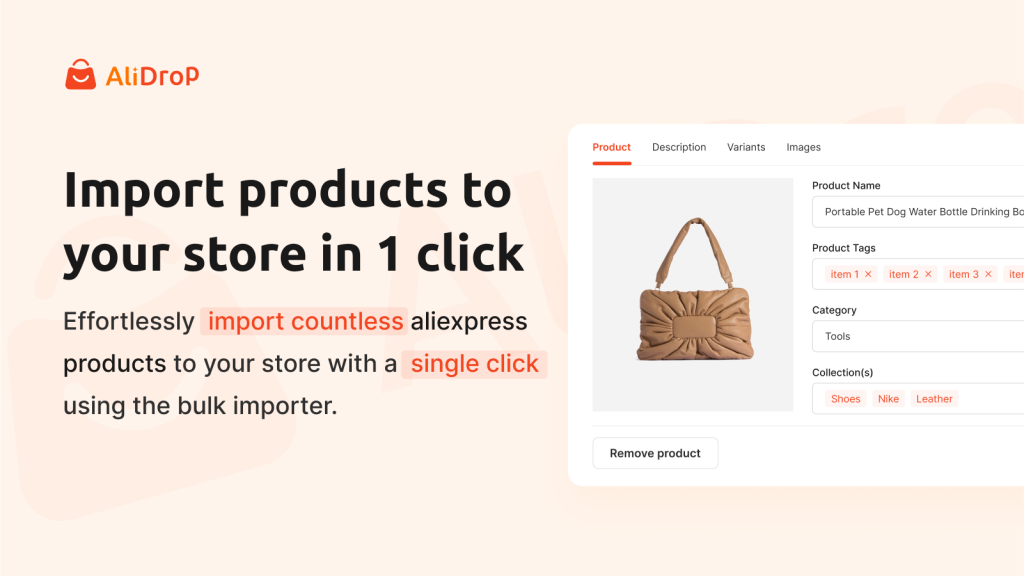
Simplify product sourcing with seamless AliExpress imports
That is a clear pitch. AliDrop is not trying to be a generic e-commerce utility. It is built to sit at the center of a dropshipping workflow.
If that is the exact problem you are trying to solve, start AliDrop here.

Top Integrations Explained
1. Shopify Integration
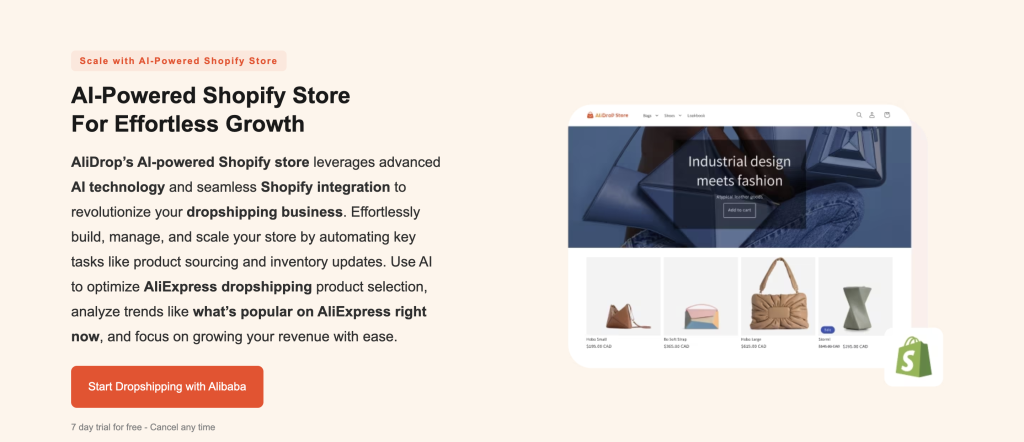
This is the core integration story. AliDrop says it connects AliExpress dropshipping with Shopify and automates product imports, fulfillment, and inventory syncing. For most store owners, this is the whole point of the tool.
If you are already running Shopify, you probably do not want another system that forces constant spreadsheet work or manual listing cleanup. AliDrop’s value is that it tries to keep the storefront and supplier side connected.
2. AliExpress Integration
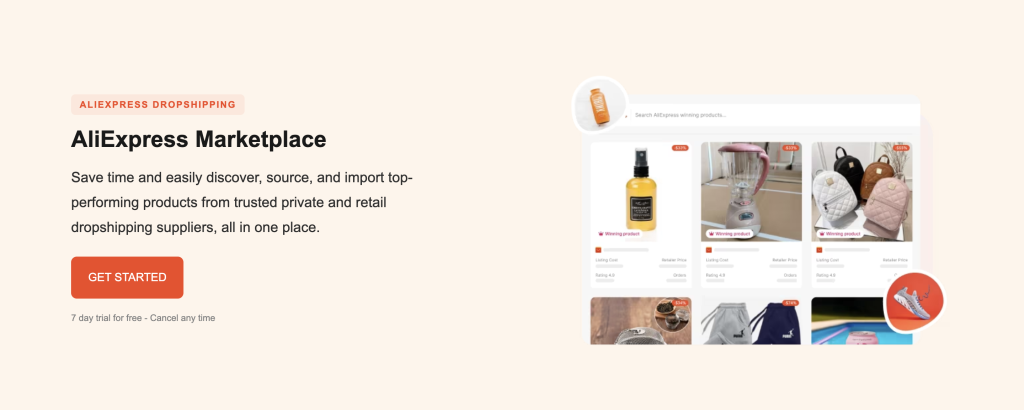
AliDrop’s official site heavily emphasizes AliExpress as the default sourcing ecosystem. It promotes:
- One-click product import
- Automated order fulfillment
- Trending-product discovery
- Faster scaling with AliExpress suppliers
That makes AliExpress the main operational backbone of the product. If your store is built around AliExpress sourcing, this is the integration layer you are really evaluating.
3. Alibaba And Temu Sourcing Support
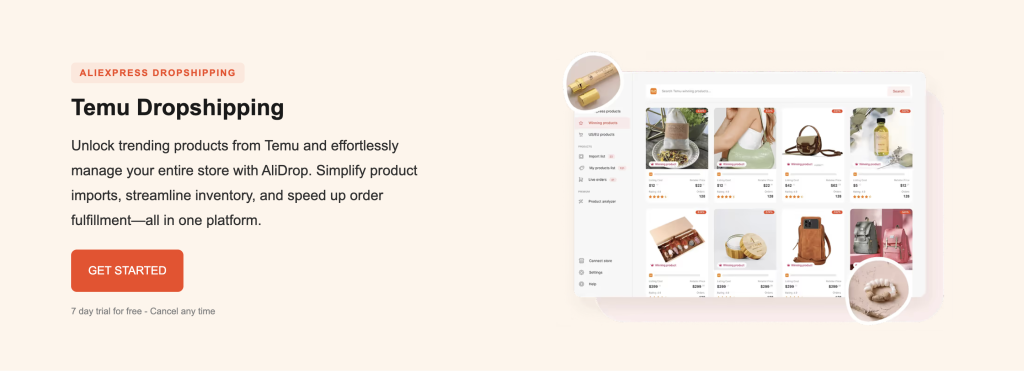
AliDrop also promotes sourcing support across Alibaba and Temu, along with US and EU suppliers. That broadens the workflow beyond basic AliExpress-only sourcing, which matters if you want more supplier flexibility or better shipping options.
This does not automatically mean every supplier workflow is equally strong, but it does make the platform more flexible than a tool limited to one ecosystem.
4. Inventory Syncing
One of the easiest ways to create store headaches is poor inventory syncing. AliDrop explicitly says inventory syncing is part of its integration promise. That is important because without solid syncing, product imports look good at the start and fall apart later.
5. Order Automation
The site also highlights automated order fulfillment. That matters for workflow because the real pain of dropshipping is not importing products once. It is keeping order processing moving without babysitting every step.
For store owners who want a lean operating system, this is one of the most practical parts of the platform.
Popular Tech Stacks For AliDrop
The most natural AliDrop stack is:
- Shopify for the storefront
- AliDrop for product sourcing and workflow automation
- AliExpress for primary supplier access
The site also points to additional supplier paths through:
- Alibaba
- Temu
- US suppliers
- EU suppliers
That means AliDrop works best when you want Shopify at the front and supplier automation at the back. If you are not using Shopify or a similar e-commerce workflow, the platform’s strongest use case starts to weaken.
Setup Guide
If I were setting up AliDrop for the first time, I would use this order:
- Connect your store platform.
- Choose your supplier path.
- Import a small product batch.
- Verify inventory sync.
- Test order flow before scaling.
- Expand product volume only after the workflow behaves cleanly.
That may sound basic, but it is the right beginner move. A lot of store owners get excited, import way too many products, and then spend the next week cleaning up product clutter and broken catalog logic.
The official site constantly emphasizes ease and automation, which is great. Still, the smartest way to test any dropshipping workflow is with a small real-world setup first.
If you want to see whether the workflow fits your store before going all in, start AliDrop here and connect one small catalog first.
Automation Examples
Here is where AliDrop sounds most useful in practice.
Example 1: Rapid Product Import
The official site promotes one-click product import. That means a store owner can move faster from product discovery to storefront listing without a bunch of copy-paste work.
Example 2: Automated Order Fulfillment
AliDrop says it can instantly send orders to suppliers for quick processing and delivery. If that works reliably, it removes one of the most repetitive parts of the workflow.
Example 3: Inventory Updates
Inventory syncing matters because inaccurate stock is one of the easiest ways to create customer frustration. If AliDrop keeps your store inventory aligned with supplier-side availability, it is doing real operational work.
If those are the tasks eating your time right now, try AliDrop here and test them in a small real store setup.
Where Integrations Can Break
This is the part too many reviews skip. Even if AliDrop’s integration story is attractive, there are still practical failure points to watch closely:
- Importing too many products before cleaning titles and descriptions
- Relying on one supplier path without checking shipping realities
- Assuming every supplier source behaves the same way
- Skipping inventory verification after import
- Treating automation like a substitute for store QA
That does not mean the platform is weak. It just means automation still needs supervision. A one-click import is convenient, but it does not magically guarantee a polished storefront or a smooth post-purchase experience.
Pricing And Workflow Fit
AliDrop’s official pricing page currently shows:
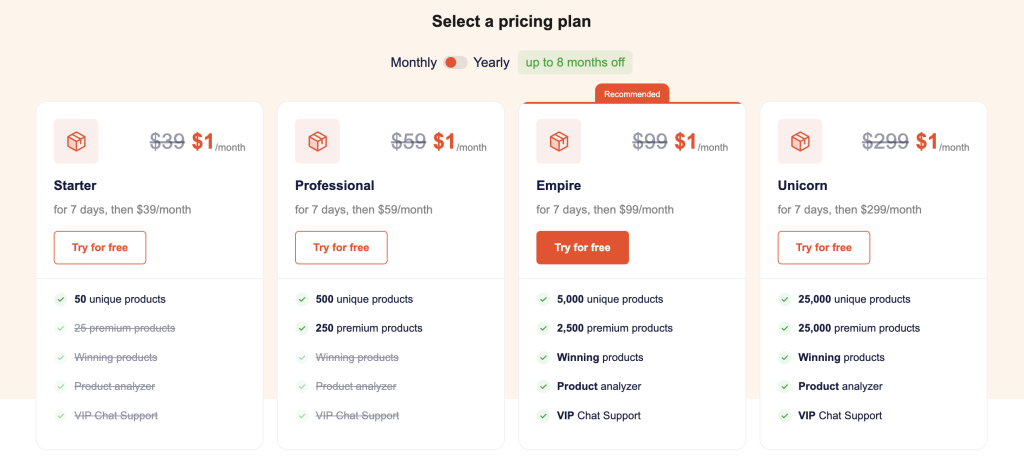
- Starter: $39/month after a 7-day trial
- Professional: $59/month after a 7-day trial
- Empire: $99/month after a 7-day trial
- Unicorn: $299/month after a 7-day trial
The pricing page also highlights things like:
- 50 unique products on Starter
- 500 unique products on Professional
- 5,000 unique products on Empire
- 25,000 unique products on Unicorn
- premium products
- winning products
- product analyzer
- VIP chat support
That plan structure makes the workflow story pretty clear. Smaller stores can test the platform cheaply, while bigger stores can scale into larger products and support limits.
The site also says there are no hidden fees and that you can cancel anytime. Those are useful details for anyone comparing this with other dropshipping tools that make the cost structure feel murkier than it needs to be.
If you are comparing plans, I would keep the decision simple. Pick the tier that matches the number of products you can realistically manage well. Going bigger too early sounds exciting, but it usually creates more catalog cleanup than revenue.
Troubleshooting Integration Fit
AliDrop is likely a good fit if:
- You already run or plan to run Shopify
- AliExpress is central to your sourcing workflow
- You want automation more than manual catalog work
- You need supplier and inventory syncing to be easier
It is probably less compelling if:
- Your store is not built around dropshipping workflows
- You need a broader commerce operating system outside this use case
- You are not using Shopify as your main storefront
A Better Week-One Rollout
If I were onboarding AliDrop for a real store, I would split the first week like this:
- Day one: connect Shopify and confirm store permissions.
- Day two: import a small batch of products from one supplier source.
- Day three: clean product listings and verify inventory updates.
- Day four: place a test order and check the fulfillment flow.
- Day five: expand only after the first workflow behaves properly.
That is not glamorous, but it is the safer way to learn whether the integrations save time or create hidden maintenance work.
It also gives you a cleaner read on where the software is actually helping. If week one already feels less manual, less repetitive, and less messy, that is a good sign. If it only helps you import products but creates confusion elsewhere, you will see that early too.
If you want to evaluate it on a real store instead of guessing from landing-page promises, start AliDrop here and test one store workflow at a time.
FAQ
What does AliDrop integrate with?
AliDrop’s official site highlights AliExpress, Shopify, Alibaba, Temu, and supplier networks in the US and EU.
Does AliDrop automate order fulfillment?
Yes. The official site says it automates order fulfillment and sends orders to suppliers for processing and delivery.
Does AliDrop sync inventory?
Yes. Inventory syncing is part of the integration promise on the official site.
Is there a free trial?
Yes. The official pricing page shows a 7-day trial.
Is AliDrop worth trying for Shopify dropshipping?
If you want fewer manual tasks around product import, fulfillment, and syncing, yes. The easiest next step is to try AliDrop here on a small live workflow first.
Thanks for the go through, really helpful for decision making
You are welcome Rahul