

The Company And The Challenge :
The most useful official Deel case study for 2026 is the Barings story because it is concrete, operational, and refreshingly specific about the mess that existed before the platform was introduced.
Barings is a global financial services firm operating across multiple countries. In Deel’s official case-study page, the company describes a fragmented payroll setup that relied on different providers across regions, with APAC payroll work still running heavily through Excel.
That created three connected problems:
- Too Much Manual Work.
- Greater Compliance Risk.
- Weak Visibility Into True Employment Costs.
Deel’s case-study page also gives two numbers that matter right away:
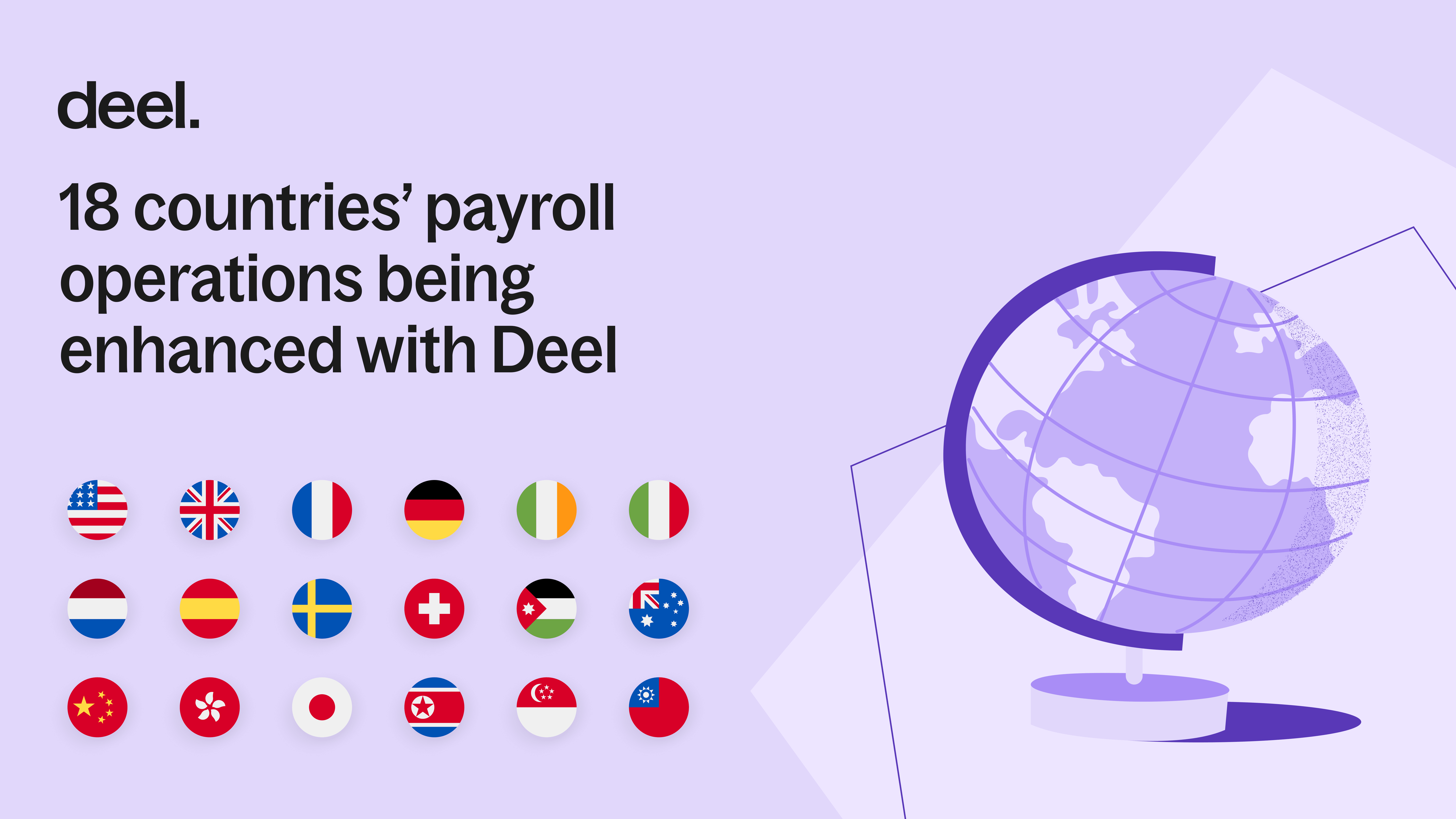
2legacy payroll platforms were consolidated into a unified solution.18countries’ payroll operations are being enhanced.
That is not a fluffy customer story. It is a real operational cleanup project.
If you want to review Deel’s platform while reading, start with Deel here.
What Was Broken Before Deel :
According to the official Barings case study, the APAC side of payroll was “literally run on Excel spreadsheets.” That line tells you almost everything you need to know about the pre-Deel problem.
When payroll is scattered across vendors and spreadsheets, the damage usually shows up in slow motion:
- Teams Spend More Time Fixing Process Than Improving It.
- Data Quality Starts Depending On Heroic Manual Checks.
- Leadership Cannot Get One Clean Cost View Across Regions.
- Compliance Pressure Keeps Rising Quietly In The Background.
Deel quotes Heather Ashley, Director of HR Technology at Barings, saying the fragmented setup made true cost analysis incredibly difficult. Base pay was visible, but pensions, benefits, statutory contributions, and related payroll costs across regions were not easy to consolidate into one reliable view.
That part matters more than it sounds.
Many payroll systems look “fine” until leadership asks a harder question:
“What does global employment actually cost us by country, provider, and entity?”
If the answer lives in spreadsheets, side calculations, and provider exports, you do not really have a system. You have a monthly ritual.
The Implementation Process :
The official case study makes it clear that Barings was not simply shopping for a cheaper vendor. It needed a global payroll partner that could integrate deeply with Workday and unify the back-and-forth data flow.
Deel says Barings selected it for several specific reasons:
- Deel Was A Certified Workday Partner.
- The Integration Was Pre-built And Modern.
- Data Could Flow Bi-directionally Between Systems.
- Payroll Actuals Could Come Back Into Workday For Better Visibility.
That implementation logic is important because it shows where Deel often wins in more complex environments. The value is not only “global payroll exists.” It is that payroll processing, HR data, and downstream reporting start behaving like one operating system instead of disconnected tools.
The official page describes the target state this way:
- Employee data flows from Workday into Deel for payroll processing.
- After payroll runs, actual costs, taxes, and deductions flow back into Workday.
- Leadership gets one clearer picture of the workforce inside the system they already use.
That is a much stronger story than basic contractor payment automation.
If your team is evaluating global payroll infrastructure rather than a lightweight contractor-only tool, start with Deel here and compare the integration story with the way your current HR and payroll stack behaves.
The Results And Metrics :
Deel’s official Barings story gives enough signal to talk about results without inventing anything.
The visible outcomes include:
2legacy payroll platforms being consolidated.18countries’ payroll operations being enhanced.- A stronger path toward a single payroll data flow.
- Better visibility into actual workforce cost inside Workday.
That may sound less flashy than a “300% ROI” headline, but honestly, it is more useful.
The Barings story is about operational maturity:
- Less manual payroll handling.
- Fewer vendor silos.
- Cleaner compliance execution.
- Better cost visibility for decision-making.
That last piece deserves extra attention. The case study says Barings had trouble doing a true cost analysis before the integration, because important payroll components across regions were not easy to unify. Once actual costs, taxes, and deductions flow back into Workday, finance and HR leaders can make location strategy decisions with far better context.
Real talk: that is the kind of result that changes meetings.
Which Deel Capabilities Mattered Most :
The Barings case study highlights several product strengths, and they line up well with what Deel’s main pricing page says the platform is built to do in 2026.
The most important capabilities in this story are:
- Global Payroll Infrastructure.
- Certified HRIS Integration.
- Multi-country Compliance Support.
- Centralized Data Visibility.
- A Single Partner Model Across Multiple Regions.
On the official pricing page, Deel also lays out a broader platform around:
- Employer of Record from
$599per employee per month. - Contractor management from
$49per contractor per month. - Contractor of Record from
$325per contractor per month. - Global payroll from
$29per employee per month. - Core HR from
$5per employee per month.
That pricing context matters because it shows Deel is not one product pretending to do everything. It is a platform with separate layers for hiring, managing, paying, and equipping a global workforce.
In the Barings case, the critical layer was payroll plus integration. For another company, the entry point could be contractor management or Employer of Record.

Lessons Learned From The Case :
There are a few smart lessons hiding in this story.
Lesson 1: Vendor Sprawl Gets Expensive Before It Gets Obvious
Barings had multiple providers and region-specific workflows. That may look manageable on paper, but eventually someone has to stitch the data together and own the inconsistency.
Lesson 2: Payroll Visibility Is Strategic, Not Administrative
The case study says true employment-cost analysis was difficult before consolidation. That is not just an operations issue. It affects expansion planning, budgeting, and workforce strategy.
Lesson 3: Integration Quality Matters More Than Marketing Claims
Barings chose Deel partly because of the certified Workday integration. That is the sort of detail that matters a lot more than generic “seamless platform” copy.
Lesson 4: A Unified Data Flow Reduces Risk
When payroll actuals, taxes, and deductions can move back into the core HR system consistently, teams spend less time reconciling and more time verifying.
A Safer ROI Way To Think About Deel :
Deel’s official Barings page does not publish a direct dollar-savings number, so the right move is not to invent one.
Instead, the safer ROI frame is to look at:
- Hours Saved From Less Spreadsheet Work.
- Reduced Complexity From Fewer Payroll Vendors.
- Better Cost Decisions From Clearer Workforce Data.
- Lower Risk Exposure From More Standardized Compliance Workflows.
If you are buying a platform like Deel, those are the ROI drivers that actually matter. A made-up savings number might look exciting for five minutes, but it will not survive a real finance review.
In other words, this case study is less about marketing fireworks and more about removing operational drag.
How To Replicate The Best Parts Of This Story :
If you want results similar to the Barings story, the best starting point is not “buy the tool and hope.” It is cleaner than that.
Start with this sequence:
- Map Every Payroll Provider And Every Manual Handoff.
- Identify Which HRIS Or Finance System Must Remain Your Source Of Truth.
- Decide Whether You Need Payroll, EOR, Contractor, Or A Broader Deel Stack.
- Test The Integration Story Before You Over-focus On Surface-level Features.
- Measure Visibility Improvements, Not Just Task Completion.
That is the practical lesson from the official case. Deel worked because the project was tied to data consolidation and operating clarity, not just a vague desire to modernize.
If your team is facing regional payroll fragmentation or weak cost visibility, start with Deel here and compare your current process against the certified integration and global payroll model described in Deel’s official materials.
Who This Case Study Should Matter To :
This Deel case study matters most for:
- Multi-country Companies Running Payroll Across Regions.
- Teams Already Using Workday Or A Similar Core HR System.
- Finance Leaders Who Need Better Employment-cost Visibility.
- HR Ops Teams Tired Of Spreadsheet-driven Payroll Work.
It matters less if your needs are extremely simple and local.
But once your payroll model crosses borders, providers, and compliance regimes, the logic in this case becomes much more compelling.
Verdict :
Deel’s official Barings case study is a strong 2026 example of what the platform does best in complex environments: unify fragmented payroll operations, reduce spreadsheet dependence, improve compliance posture, and bring more trustworthy cost data back into the core HR stack.
That is a grown-up win. Not flashy. Not vague. Very useful.
If your company is wrestling with multi-country payroll fragmentation, start with Deel here and evaluate whether the combination of certified integration, global payroll coverage, and centralized workforce data fits the stage you are in now.

FAQ :
What is the main result in Deel’s Barings case study?
The official story says 2 legacy payroll platforms were consolidated into a unified solution and 18 countries’ payroll operations are being enhanced.
Why did Barings choose Deel?
According to Deel’s official case study, the company chose Deel for its certified Workday integration, modern platform, centralized payroll model, and bi-directional data flow.
Does Deel publish exact ROI savings for the Barings case?
No exact dollar ROI is published on the official Barings page, so it is better to evaluate ROI through labor hours, vendor reduction, compliance consistency, and better cost visibility.
How much does Deel cost in 2026?
On Deel’s official pricing page, visible starting points include EOR at $599 per employee per month, contractors at $49 per contractor per month, Contractor of Record at $325, global payroll at $29 per employee per month, and Core HR at $5 per employee per month.