

When To Consider Alternatives To People :
Before we get into alternatives, it helps to be clear about what People actually is.
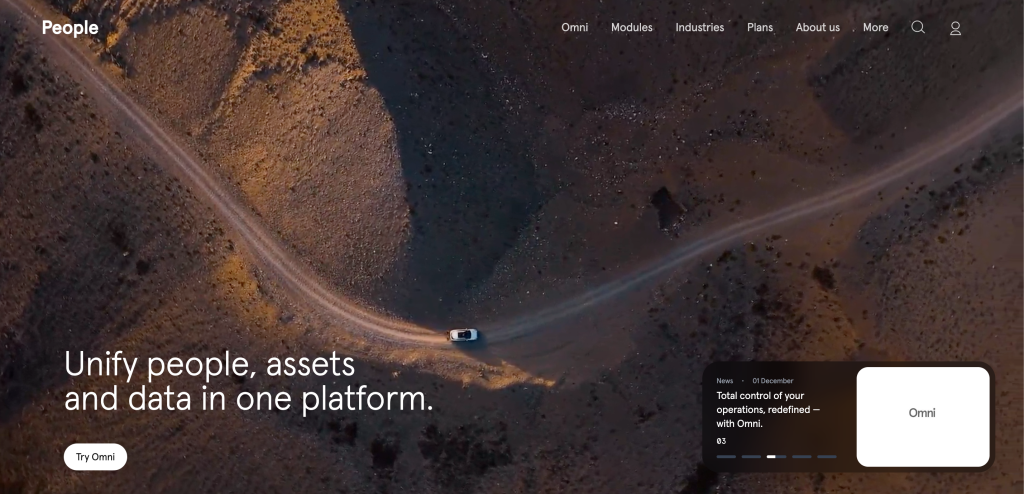
The official site positions People around its Omni platform, which is built to unite people, assets, and data for logistics and operational visibility. The product story is centered on modular tools, industry workflows, and telematics-style visibility across use cases like transportation and logistics, construction, agriculture, food and beverage, pharmaceutical, and retail. The site also highlights modules such as Camera and Vehicle IQ, along with language about tracking loads, reducing spoilage, improving route performance, and protecting the chain of custody.
So this is not a generic HR platform or a lightweight GPS widget. It is an operations platform for businesses that care about fleets, shipments, assets, field visibility, and logistics execution.
That means you usually consider alternatives when one of these things is true:
- You want a more mainstream fleet-management ecosystem.
- You need deeper GPS fleet tracking and compliance tooling.
- You care more about dash cams and AI safety than modular logistics workflows.
- You want a larger third-party ecosystem or a better-known enterprise buying path.
- You need broader public pricing clarity than People currently offers.
If you still want to check the platform itself while you compare, start with People here.
What People Seem To Do Best :
The strongest official People themes are:
- A unified Omni platform.
- Modular operational tools.
- Industry-specific logistics use cases.
- Visibility across people, assets, and data.
- Transportation and logistics workflows that emphasize route performance, delivery tracking, and shipment oversight.
The plans page talks about simple plans built to scale, but it does not surface public line-item pricing in the way some bigger fleet platforms do. So if pricing transparency is a major buying criterion for you, that alone can push you toward alternatives.
Still, People looks interesting for operators who want a modular, logistics-first platform rather than a one-size-fits-all fleet brand.
Alternative 1: Samsara
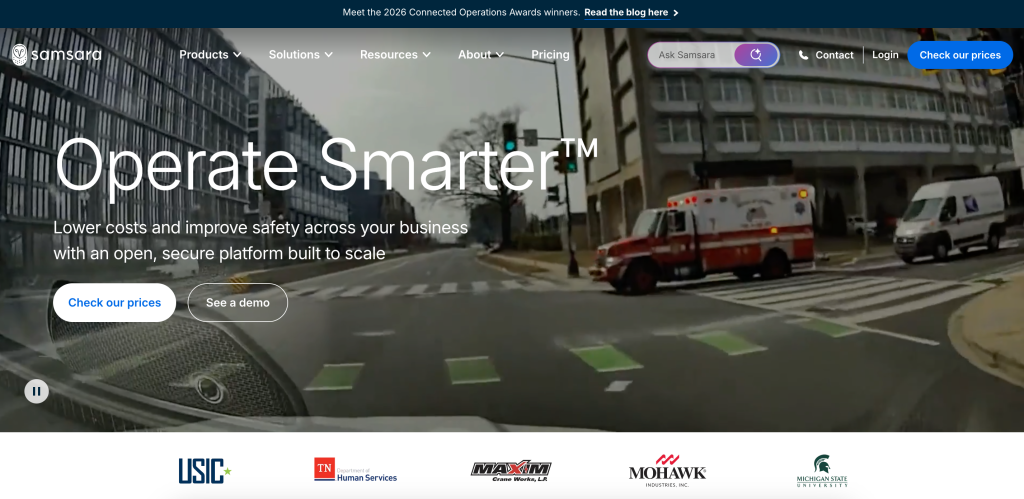
Samsara’s official site positions it as a leading fleet management and safety platform built around AI-powered technology. The public messaging emphasizes:
- AI-powered dash cams.
- Real-time GPS.
- ELD.
- Telematics.
- Maintenance.
- Routing.
- Safety and efficiency improvements.
Compared with People, Samsara looks like the stronger choice when your buyer conversation starts with safety, telematics scale, and field-operations analytics across a large fleet.
Where People may feel more modular and logistics-workflow driven, Samsara feels more like a broad operating system for fleet visibility and safety performance.
That can be a better fit if your team wants a very established fleet-ops platform and is less concerned with People-style module branding.
Alternative 2: Geotab
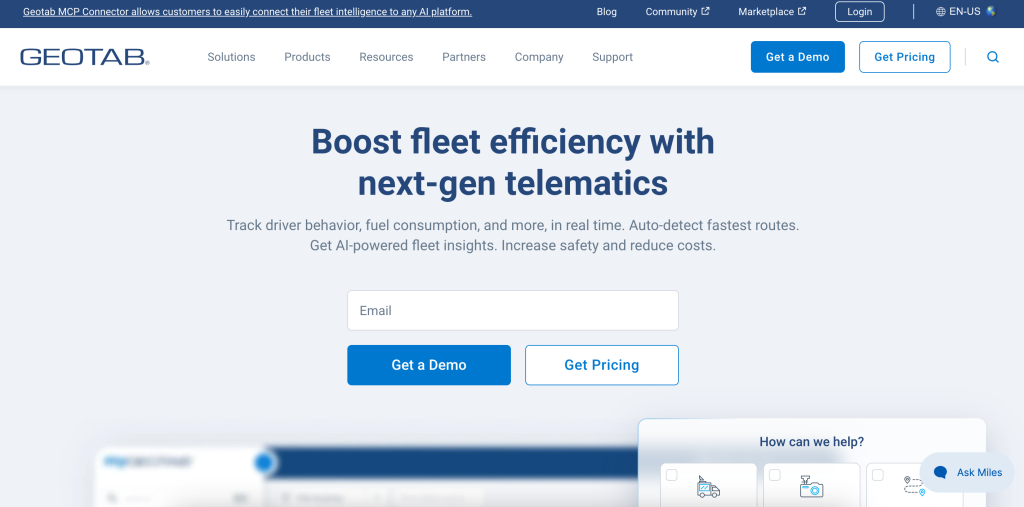
Geotab’s official positioning is very direct: one platform for total fleet management.
Its public materials focus on:
- GPS fleet tracking.
- Near real-time vehicle visibility.
- Driver safety.
- Compliance.
- Vehicle health.
- Advanced reporting.
- Optimized routes.
That makes Geotab a serious alternative for organizations that want telematics depth and reporting flexibility first.
Compared with People, Geotab may be the more obvious choice if the primary need is classic fleet management at scale, especially when detailed data reporting and operational analytics are central to the decision.
People still look differentiated if your team prefers a more logistics-experience-driven platform story with industry and module packaging around use cases.
If you are comparing platforms for transport and asset visibility, start with People here and weigh its Omni model against the heavier telematics-first approach from Geotab.
Alternative 3: Verizon Connect
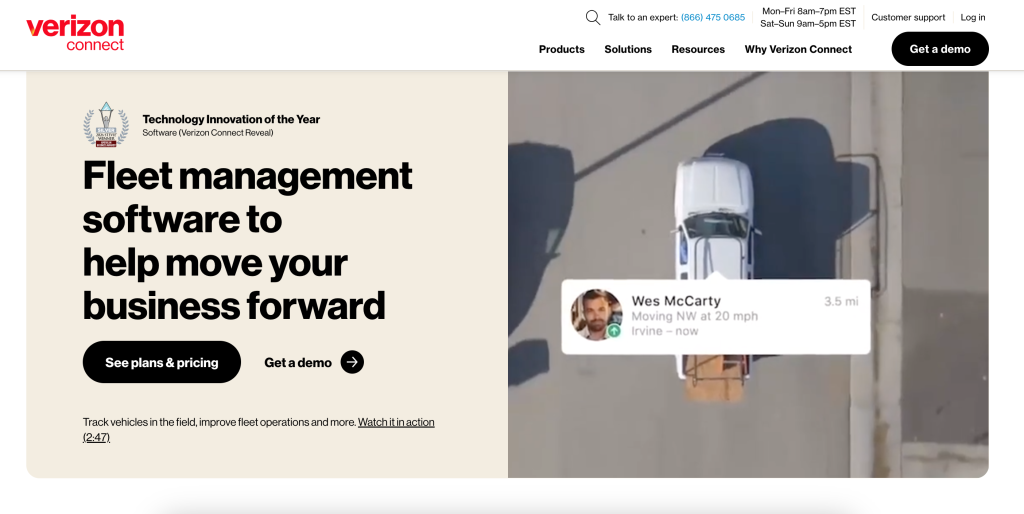
Verizon Connect’s official site frames the product around customizable fleet management solutions that help businesses:
- Track vehicles in the field.
- Improve fleet operations.
- Increase worker productivity.
- Support safe driving.
- Use dashboards, reports, and alerts.
That gives Verizon Connect a very practical operations-management pitch. It feels especially relevant for companies that want straightforward GPS tracking, mobile workforce visibility, and customizable reporting under a very recognizable vendor name.
Compared with People, Verizon Connect may be more appealing if:
- You want a widely known fleet platform.
- Your buying team values mature dashboards and alerts.
- The main use case is vehicle operations rather than broader module-based logistics workflows.
People may still be more interested if your operation depends on industry-specific shipment or asset scenarios and you like the module-first product design.
Alternative 4: Motive
Motive’s official site positions it as an all-in-one fleet management and driver safety platform. The public messaging emphasizes:
- Safety.
- Productivity.
- Profitability.
- Integrated operations.
- Vehicle visibility.
- Equipment monitoring.
- Workforce management.
That is a strong competitor set for People because Motive is not only talking about vehicles. It is talking about broader operational performance across the physical economy.
If your business wants one platform that combines fleet management, driver safety, and operational intelligence with a large-market product feel, Motive deserves a close look.
Compared with People, Motive looks more like a mainstream integrated fleet-and-operations platform, while People feels more specialized around its Omni ecosystem, modules, and logistics-industry packaging.
Quick Comparison Matrix :
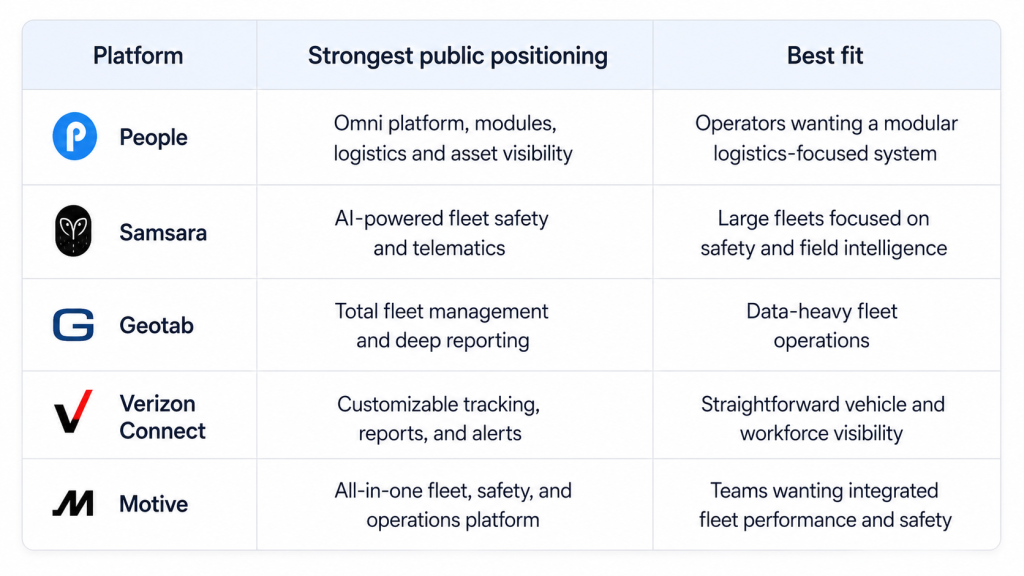
This is where buying context matters more than feature-count theater.
None of these tools wins just because the homepage is louder. They win when the operational model matches your day-to-day work.
Where People Still Have A Good Case :
People’s official site makes a solid argument in a few areas.
Modular Product Story –
The platform is structured around modules like Camera and Vehicle IQ rather than only one generic fleet dashboard narrative. That can be attractive for businesses that want to assemble capability around the operation they actually run.
Industry-Specific Framing –
People explicitly target industries such as:
- Agriculture.
- Construction.
- FMCG.
- Food and beverages.
- High-value items.
- Pharmaceutical.
- Supermarket and retail.
- Transportation and logistics.
That is useful because many operators do not want a generic fleet tool. They want a system that sounds like it understands cold chain, delivery risk, stockouts, or high-value cargo.
Unified Visibility Language –
The site keeps returning to the same core idea: unite people, assets, and data. For buyers who like a platform story built around full operational visibility instead of isolated tracking widgets, that can be compelling.
The Tradeoffs :
Here is the honest part.
People’s public site is promising, but it is not as easy to evaluate quickly as some larger alternatives.
The main reasons:
- Public pricing is not spelled out clearly on the plans page.
- The platform is newer or at least less widely recognized than the biggest fleet brands.
- A buyer may need a more guided sales conversation to map modules to use cases.
That does not make the platform weak. It just means the evaluation effort may be heavier up front.
For some teams, that is fine. For others, it is a reason to start with a more established alternative first.
A Better Way To Evaluate The Shortlist :
If you are choosing between People and one of the larger alternatives, do not reduce the decision to a brand-recognition contest.
Use one real operational scenario instead.
For example:
- A temperature-sensitive shipment workflow.
- A route-delay investigation process.
- A high-value cargo chain-of-custody check.
- A fleet-and-asset visibility workflow across one region.
Then ask four blunt questions:
- Which platform gives managers the clearest live visibility?
- Which one fits the language of your operation best?
- Which one seems easiest for frontline teams to use consistently?
- Which one creates the least future friction around rollout, support, and procurement?
That approach usually exposes the difference between a platform that demos well and a platform that actually fits the business.
If you want to see whether the module-based approach fits your operation better, start with People here and compare one real workflow, such as route control, cargo oversight, or asset monitoring.
When To Stick With People :
People still make sense when:
- Your operation is strongly logistics-driven.
- You like the Omni platform concept.
- You want industry-specific framing instead of a generic fleet dashboard brand.
- You are interested in module-based expansion over time.
- Your team values unified people, assets, and data visibility.
It may be an especially interesting fit for transportation and logistics teams that want a more operations-story-driven platform instead of a pure telematics-first purchase.
Verdict :
The best People alternatives in 2026 depend on what problem you are really trying to solve. Samsara is strong for AI-powered fleet safety and telematics. Geotab is strong for total fleet management and data depth. Verizon Connect is strong for dashboards, alerts, and customizable field tracking. Motive is strong for integrated fleet, safety, and operations performance.
People itself looks most compelling when you want a modular Omni platform tailored to logistics-heavy industries and operational visibility across people, assets, and data.
That means the real question is not “which platform is biggest?” It is “which one matches how our operation actually moves?”
If People sounds close to that model, start with People here and compare it against one of the larger fleet-management platforms using a real workflow instead of a generic demo checklist.
FAQ :
What kind of product is People in 2026?
Based on its official site, People is a logistics and operations platform built around the Omni platform, modular tools, and industry-specific workflows for tracking assets, routes, deliveries, and operational performance.
What are the best People alternatives?
Strong alternatives include Samsara, Geotab, Verizon Connect, and Motive, depending on whether you prioritize telematics, dashboards, driver safety, or broader integrated operations.
Does People show public pricing?
People has a plans page, but its public site does not present the same kind of clear line-item pricing ladder that some buyers may expect from larger SaaS platforms.
When should a company stick with People instead of switching?
Stick with People when the modular Omni approach, logistics-focused use cases, and industry-specific framing match your operation better than a generic fleet-management platform.