


When Buyers Start Looking For Alternatives :
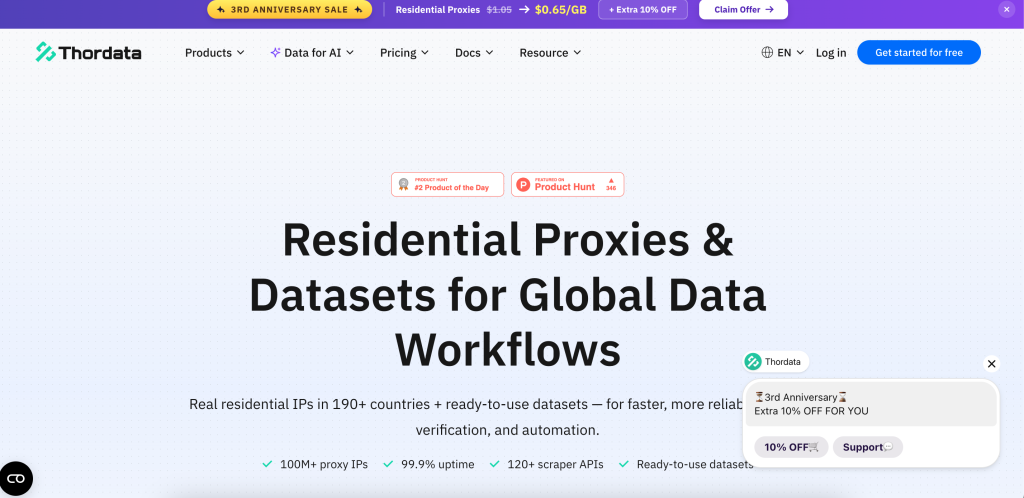
ThorData deserves a closer look in 2026 because buyers are not only choosing features. They are choosing the operating style that sits behind the tool. ThorData’s precision proxy solution was chosen to ensure seamless data collection. Enjoy the best prices and services tailored to your needs. The official site repeatedly points to Reliable Residential Proxies, Choose the Right Proxy for Your Data Collection Needs, Residential Proxies. The page titles also reinforce the product’s main positioning instead of burying it behind vague marketing language.
Most buyers start looking for alternatives in 2026 when one of three things happens:
- The official workflow looks narrower than the team needs.
- The pricing path feels misaligned with current usage.
- The business is solving an adjacent problem, not the exact one the product is built for.
If you want to inspect the source product first, start with ThorData here.
What The Official Product Story Suggests :
The official pages keep pointing back to:
- Reliable Residential Proxies
- Choose the Right Proxy for Your Data Collection Needs
- Residential Proxies
- Static ISP Proxies
That matters because the best alternative is not always a direct competitor. Sometimes the better move is a broader platform, a lighter tool, or a more specialized stack in a nearby category.
Alternative Path 1: Stay In The Same Category
The first alternative path is another tool that solves the same core problem but emphasizes a different workflow, pricing model, or operational style. This is the most common comparison route for buyers who already know the category fits.
Alternative Path 2: Choose A Broader Platform
Some teams move up a layer. Instead of replacing ThorData with something similar, they choose a broader platform that covers more adjacent needs. That can work, but it often comes with more complexity and a weaker fit for the product’s sharpest original use case.
Alternative Path 3: Use A Lighter Or Manual Stack
This is the fallback path when the team is still early, budget-sensitive, or not fully certain the category is mature enough for adoption. It lowers commitment, but it often pushes more work back onto the team.
Pricing And Switching Considerations :
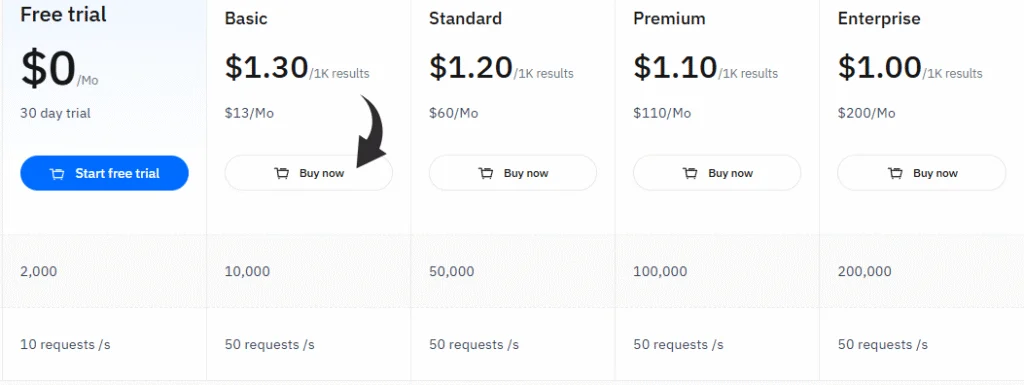
Official pricing references visible on the pages reviewed include $0.65, $1.05, $0.70, $0.50, $1.00, $2.5.
The smarter pricing question is whether an alternative actually lowers the total operating cost. A cheaper subscription can still cost more if the workflow becomes slower, messier, or more manual.
When To Stay With ThorData :
Stay with ThorData when the official workflow already matches the problem you need to solve, and the main friction is not product fit but simply rollout timing or internal adoption.
When To Choose An Alternative :
Choose an alternative when:
- Your team needs a broader category of workflow.
- The visible pricing path does not match your usage.
- The product’s strongest use case is not your strongest need.
- A different tool would remove more operational friction.
If you want to pressure-test that directly, open ThorData here and compare it against the exact workflow that is creating the most drag today.
If you want a second alternatives check, compare ThorData here and weigh the official workflow against the category you are actually shopping in.
Buyer Lens :
The most reliable way to evaluate ThorData in 2026 is to compare the official product story against one live workflow your team already runs. That usually reveals product fit faster than a broad feature spreadsheet, especially for an alternatives draft where the buyer needs more than a shallow summary.
Operational Note :
ThorData is easiest to judge when you look at the repeated work around it, not just the trial experience. If the product reduces recurring friction, the value tends to become much clearer over time. That is why the safest evaluation path is usually one repeated live task instead of a broad artificial test.
Final Buying Note :
In 2026, the smartest way to evaluate ThorData is still to use the official product pages, compare them against one real workflow, and decide whether the product reduces friction in a way your team will actually feel every week. That kind of grounded evaluation usually tells you more than another generic comparison spreadsheet.
Verdict :
The best alternative to ThorData is the one that better matches your actual operating problem, not the one with the loudest comparison page. ThorData still makes sense when its official workflow fits tightly; alternatives win when your requirements drift beyond that center.
If you want to make that decision carefully, review ThorData here and compare it against one real workflow instead of a vague list of feature names.
FAQ :
Why Do Buyers Look For ThorData Alternatives?
Usually because they want a different workflow shape, a broader platform, or a pricing model that fits their current stage better.
Is The Best Alternative Always A Direct Competitor?
No. Sometimes the best alternative is a broader stack or a lighter approach rather than a like-for-like substitute.
Should I Switch Based On Price Alone?
No. Total workflow cost matters more than the smallest visible subscription number.
When Should I Stay With ThorData?
Stay when the product’s official use case still matches your real needs, and the main issue is adoption, not fit.
What Is The Safest Way To Compare Alternatives?
Use one live workflow and compare which option removes the most friction with the least extra complexity.